
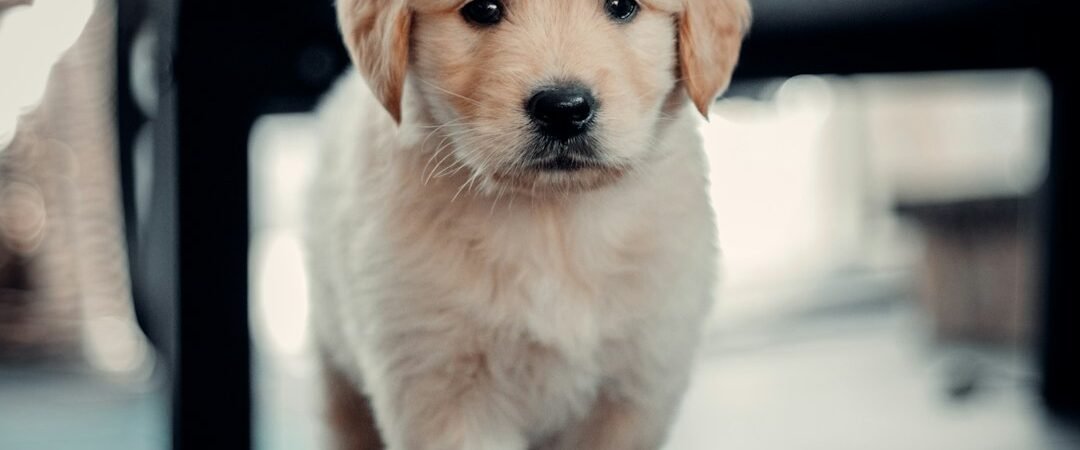
An eight-week-old Golden Retriever puppy is adorable.
They are also wildly underqualified to run their own life.
They have a tiny bladder, sharp teeth, very limited experience of the world, poor emotional regulation and absolutely no understanding of your household rules.
And they have probably just left their mother, siblings and the only environment they have ever known.
That is the puppy you are bringing home.
Not a blank slate. Not a miniature adult. And definitely not a dog who needs to have their entire education completed by Sunday evening.
Writer Sophie Bennett looks at what owners can realistically expect from an eight-week-old Golden Retriever puppy, with guidance from professional dog trainer and behavior consultant Ali Smith.
What is an 8-week-old Golden Retriever puppy like?
Busy, sleepy, mouthy and inconsistent.
Your puppy may confidently march into one room and then become worried about something completely ordinary five minutes later.
They may play enthusiastically and suddenly fall asleep.
They may follow you everywhere and then appear to have forgotten you exist because they found a leaf.
This is normal puppy behavior.
Their world has just expanded dramatically.
Your puppy’s first day home
Keep it simple.
You do not need to invite the entire family, all your friends and three neighboring dogs over to “socialise” the puppy.
Let them arrive.
Show them where they can toilet.
Give them access to a manageable part of the house.
Let them drink.
Feed them according to the breeder’s existing routine where practical.
Give them opportunities to sleep.
Spend time quietly getting to know them.
That is enough.
How much should an 8-week-old Golden Retriever sleep?
A lot.
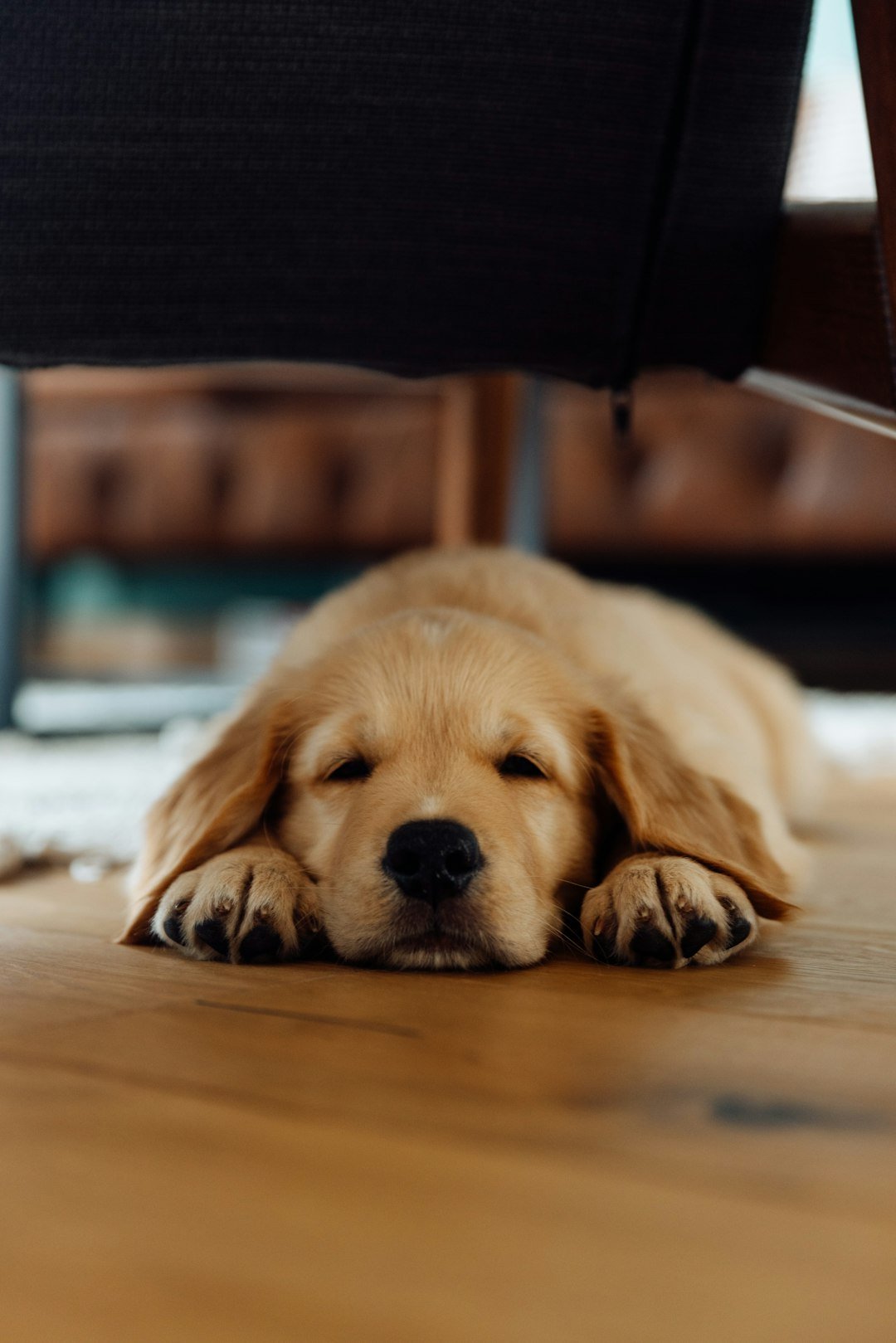
Young puppies can need roughly 18-20 hours of sleep across a 24-hour period, although individual patterns vary.
The bit owners struggle with is that overtired puppies do not always look sleepy.
They can look feral.
Biting intensifies. Zooming appears. Listening disappears. Everything becomes more exciting and less manageable.
That is why one of my first priorities with a new Golden puppy is not “How do I tire them out?”
It is “How do I help them sleep?”
Our guide to Golden Retriever puppy sleep goes into that in detail.
How often does an 8-week-old Golden Retriever need to pee?
Very often.
At eight weeks, bladder control is limited.
Take your puppy out after waking, after eating, after drinking, after energetic play, after training, before and after confinement, and whenever they suddenly start sniffing or disengaging from what they were doing.
You are not waiting for the puppy to ask.
You are creating enough successful opportunities that the correct place becomes an established habit.
Our Golden Retriever potty-training guide gives you the full process.
What should an 8-week-old Golden Retriever eat?
Keep the first few days boring.
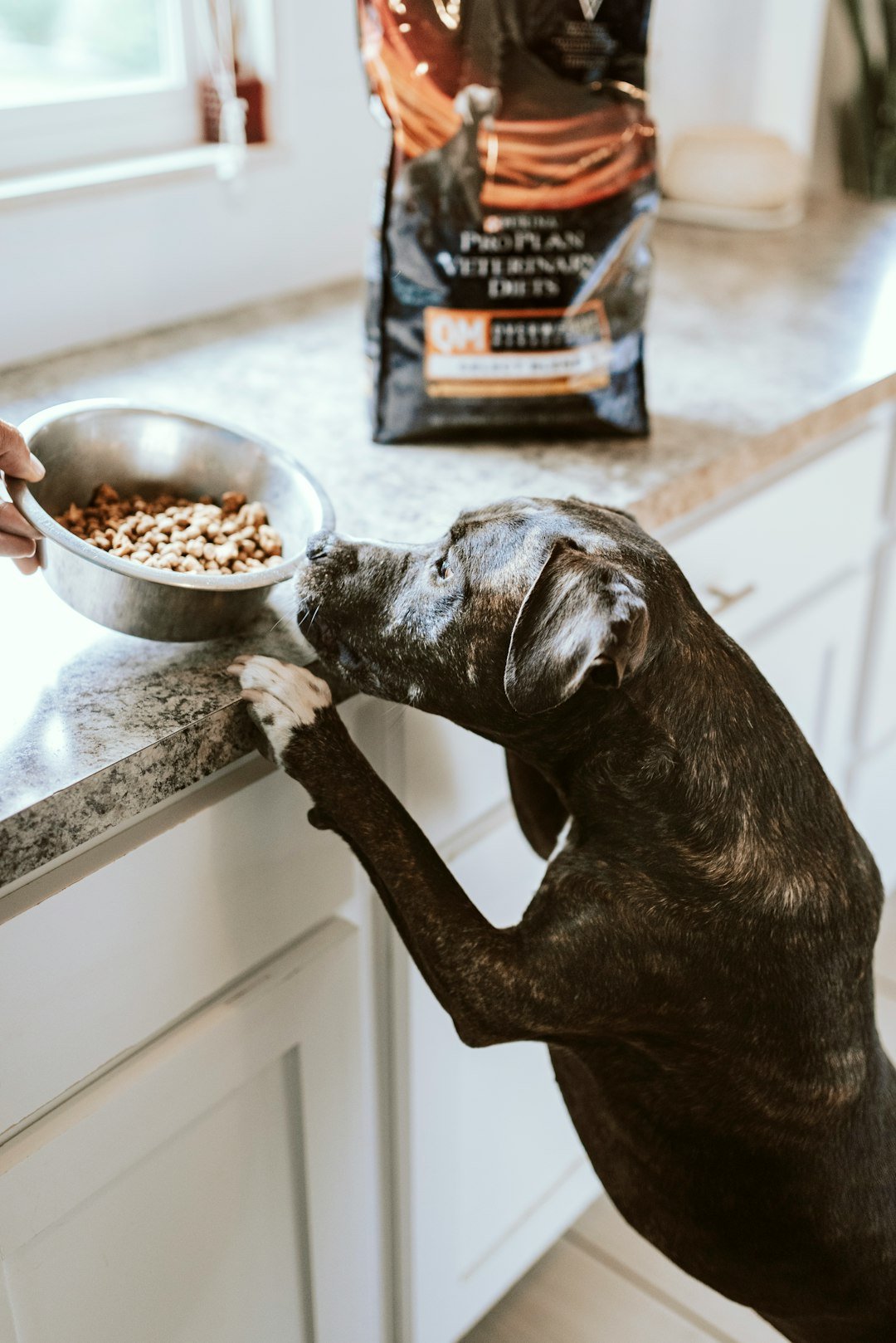
Unless there is a veterinary reason to change immediately, continuing the breeder’s current puppy food initially can reduce unnecessary digestive disruption while the puppy is already dealing with a major environmental change.
You can change food later if needed, preferably gradually.
Puppies generally eat multiple smaller meals each day rather than one or two large adult-style meals.
Why is my new Golden Retriever puppy not eating?
A puppy may eat less than expected during the first day because everything has changed.
Stress and excitement can affect appetite.
But young puppies are small and can become unwell quickly.
If your puppy repeatedly refuses food, seems lethargic, vomits, has significant diarrhea or otherwise does not seem right, contact your veterinarian.
Why does my 8-week-old Golden Retriever bite so much?
Because you bought a retriever puppy.
I say that with affection.
Goldens are naturally mouth-oriented dogs, and puppy biting is extremely common.
At eight weeks they are exploring, playing, seeking interaction and learning what their mouth does.
They do need guidance.
They do not need to be punished for behaving like a baby retriever.
Use toys. Redirect appropriately. Manage access to clothing and skin. Give the puppy enough sleep.
Our Golden Retriever puppy biting guide covers this properly.
What should you train first?
This is where I see owners make puppyhood far harder than it needs to be.
They arrive with a list: sit, down, stay, paw, leave it, heel, place, drop, wait.
Meanwhile the puppy cannot sleep alone, has no idea where to toilet and panics when the human walks into another room.
Your priorities should be much more practical.
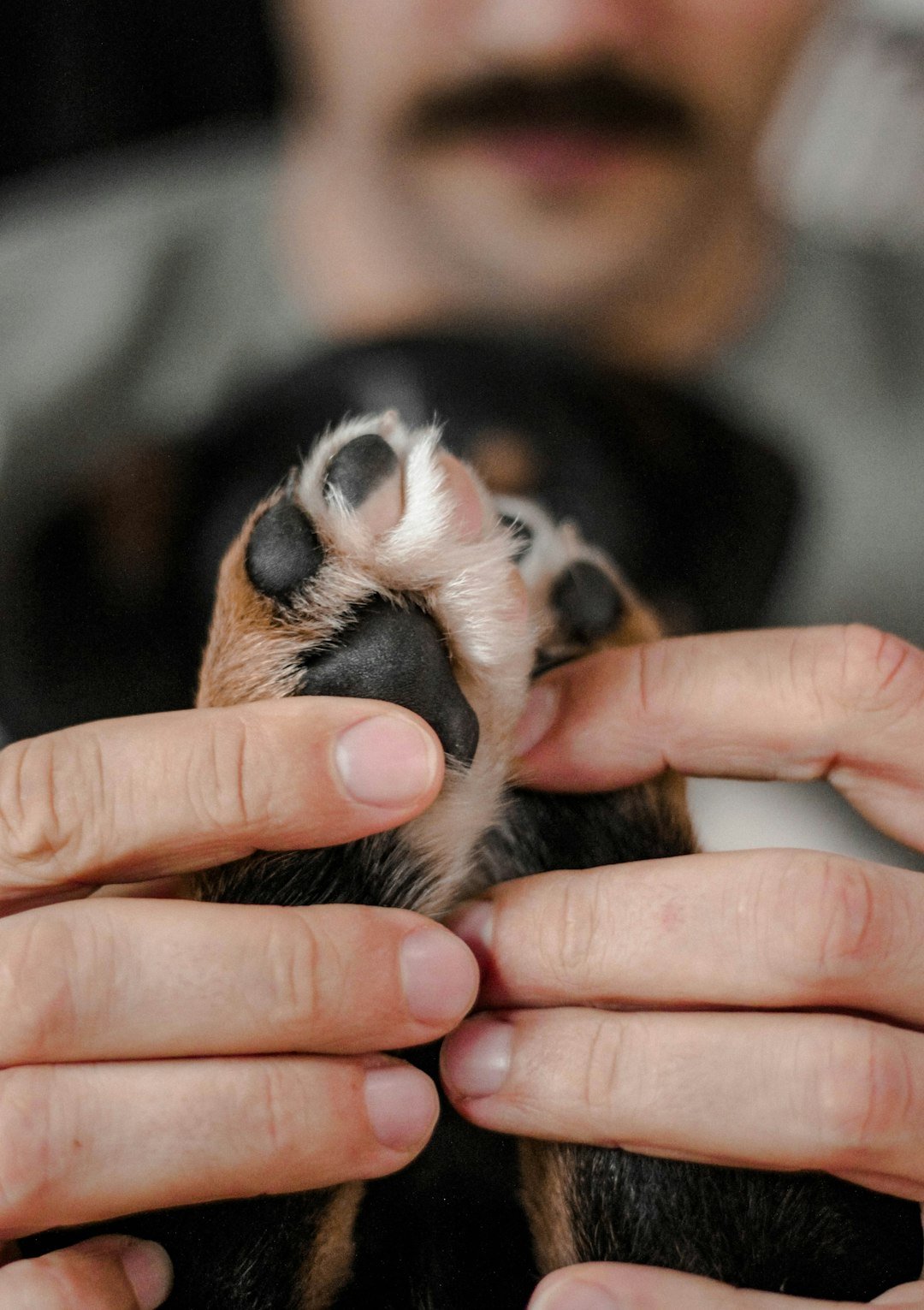
At eight weeks, I care about the puppy feeling safe with you, toileting, sleep and settling, responding to their name, beginning recall, comfortable handling, learning that being briefly separated from you is safe, appropriate chewing and biting outlets, and gradually experiencing the world.
Formal obedience can grow from there.
Should you start recall at 8 weeks?
Absolutely.
Eight-week-old puppies are often naturally inclined to follow their new humans.
Use that.
Move away. Encourage them toward you. Reward generously when they arrive.
Our guide to teaching a Golden Retriever puppy to come when called gives you the next steps.
Should an 8-week-old puppy sleep in a crate?
A crate can be useful, but the crate is not automatically comfortable just because you bought one.
Your puppy has just gone from sleeping beside warm littermates to potentially being expected to sleep alone in a box in a strange building.
That is a large change.
Introduce confinement thoughtfully.
Some puppies settle quickly. Others need more support.
Your goal is to build safe, relaxed confinement rather than proving that the puppy can “cry it out.”
If you are still buying equipment, our Golden Retriever crate-size guide explains what size you will ultimately need.
Should you leave an 8-week-old Golden Retriever alone?
Briefly, yes.
For a full workday, absolutely not.
Start teaching tiny periods of comfortable separation almost immediately.
The important part is that you build separation in amounts the puppy can actually cope with.
Our guide to teaching a Golden Retriever puppy to be home alone gives you a structured approach.
How much exercise does an 8-week-old Golden Retriever need?
Not much formal exercise.
They need movement, play, exploration and opportunities to use their developing bodies.
They do not need long forced marches.
Do not mistake frantic behavior for proof they need another mile.
Very often they need sleep.
Can an 8-week-old puppy go outside?
Yes, but disease risk matters.
Puppies need safe exposure to the world during an important developmental period, while their vaccination series is still underway.
Talk to your veterinarian about local disease risk.
Use lower-risk ways of showing your puppy the world: carrying them, using clean private spaces, sitting somewhere and watching activity from a safe distance, meeting known healthy dogs where appropriate, and choosing environments deliberately.
Our Golden Retriever puppy socialisation guide explains why socialisation is much bigger than simply meeting as many dogs as possible.
What should the first week look like?
Boring, in the best possible way.
Your puppy does not need a packed itinerary.
A reasonable first week revolves around regular toilet trips, meals, lots of sleep, short play sessions, brief training moments, gentle handling, tiny periods of separation, small amounts of safe novelty and time simply existing with you.
You are building rhythm.
Not cramming for an exam.
Your puppy may cry
Of course they might.
They have just lost almost everything familiar.
That does not mean every sound requires frantic intervention.
It also does not mean you should ignore genuine distress to prove a point.
Observe the puppy. Do they need the toilet? Are they frightened? Are they overtired? Are they struggling with sudden isolation? Can you make the task easier enough for them to succeed?
Your puppy may not love you yet
This sounds obvious when written down, but owners sometimes expect an instant cinematic bond.
Your puppy barely knows you.
Some puppies attach very quickly. Some spend the first few days investigating everything else in the house. Some are cautious.
Do not measure your future relationship by whether the puppy chooses your lap on night one.
Trust grows through experience.
Related Golden Retriever puppy guides: Start with our complete puppy training guide, then use the potty-training guide and puppy sleep guide for the first-week essentials.
Useful external reading: For those first weeks, Ali’s free Ultimate Socialization eBook gives you a structured socialization plan, Rebarkable’s home-alone guide covers early separation, and the puppy biting guide helps set realistic expectations for all that retriever mouthiness.
The bottom line
An eight-week-old Golden Retriever is a baby who has just experienced an enormous life change.
Your job during the first few days is not to produce a perfectly trained puppy.
Help them sleep. Help them toilet in the right place. Give them safe opportunities to explore. Begin teaching useful skills in tiny pieces. Protect them from being overwhelmed.
There is plenty of time to build the dog you want to live with.
The first week is about giving you both a sensible place to start.