
Golden Retrievers often pant after a game of fetch, an exciting greeting or a warm-weather walk. Panting helps dogs lose heat, so it is not automatically a sign that something is wrong. However, the same behaviour can also accompany pain, distress or illness, which makes context far more useful than counting how often a Golden opens their mouth.
If your dog suddenly starts panting much more than usual, consider when it happens, how quickly they recover and what other changes you can see. Heavy panting at rest, difficulty breathing or signs of illness deserve particular attention.
Writer Sophie Bennett looks at common reasons Golden Retrievers pant, with perspective from professional dog trainer and behavior consultant Ali Smith.
Why do Golden Retrievers pant?
Dogs pant to regulate body temperature.
Unlike humans, they do not rely on widespread sweating to cool themselves. Panting increases evaporation from the mouth and respiratory tract.
So panting after exercise, in warm weather or during excitement can be completely normal.
When is panting normal?
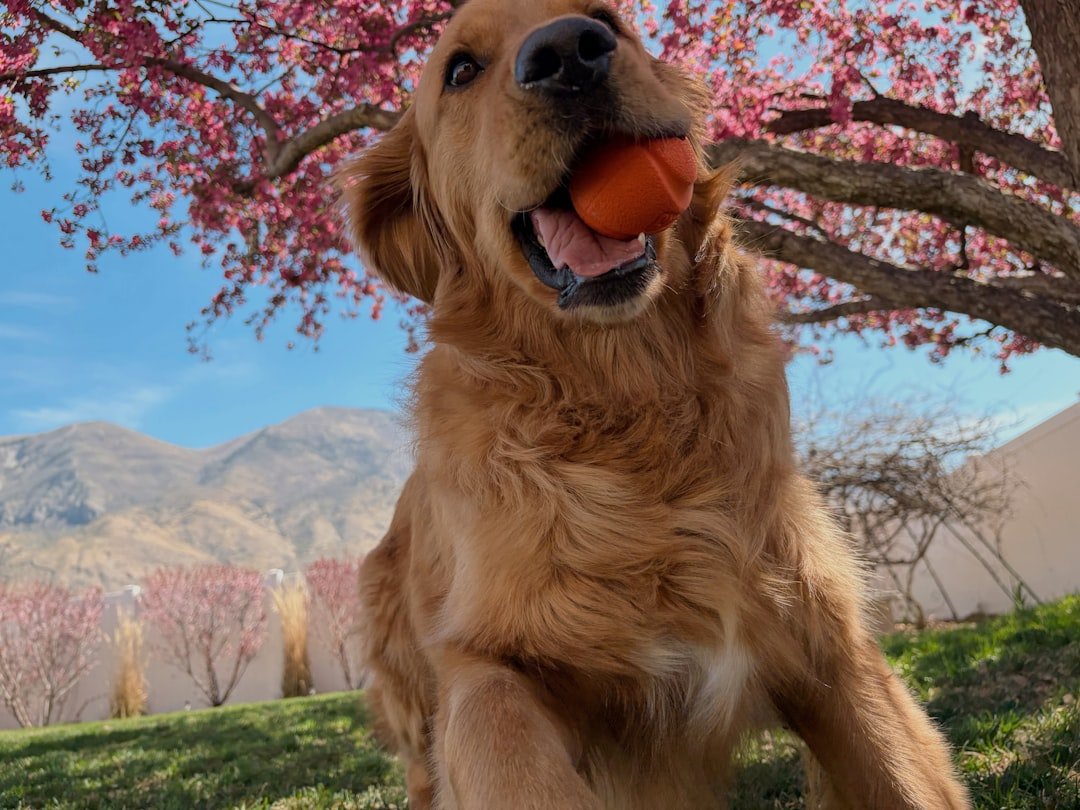
Normal panting usually has an obvious context.
- after exercise;
- during warm weather;
- after play;
- during excitement;
- after running or retrieving;
- when the dog is mildly stressed but quickly recovers.
The dog should generally settle as they cool down and recover.
When should panting worry you?
Pay more attention when panting is:
- new or much more intense than usual;
- happening at rest in a cool room;
- persistent through the night;
- combined with pacing, trembling or inability to settle;
- associated with coughing, weakness or collapse;
- paired with pale, blue or very dark red gums;
- accompanied by vomiting, abdominal swelling or obvious pain.
Those are not situations to solve with a training tip.
They deserve veterinary assessment.
Do Golden Retrievers pant more because of their coat?
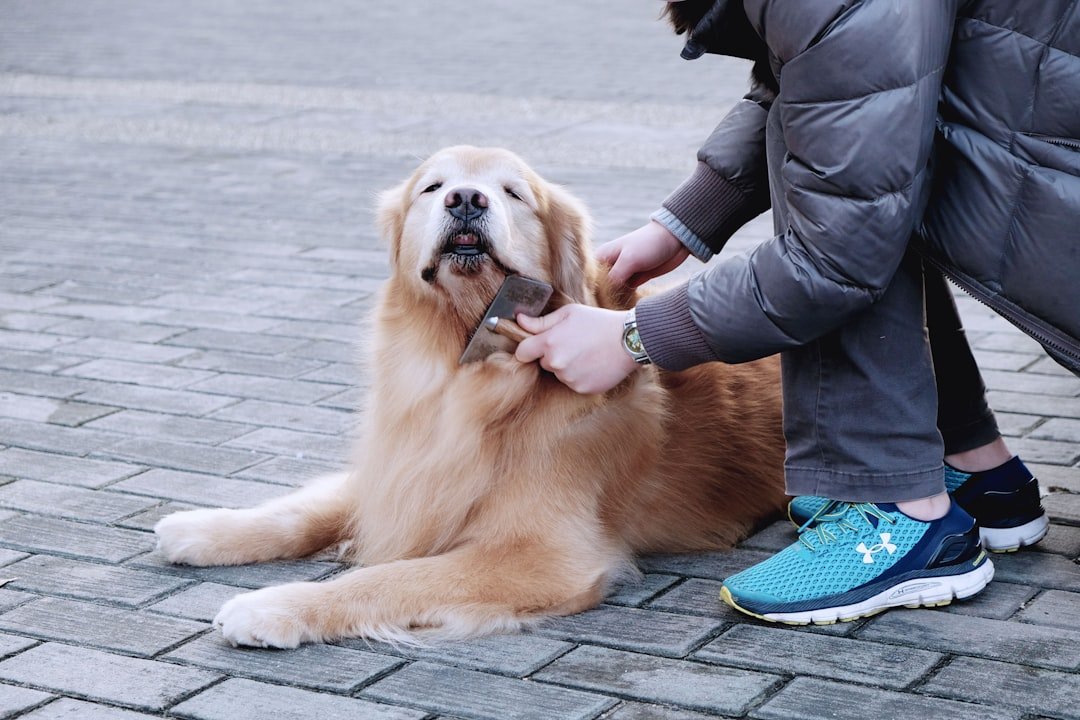
Their coat certainly affects how they experience heat.
Golden Retrievers have a double coat, so warm weather and intense exercise can make cooling more demanding.
That is one reason exercise needs to be adjusted for temperature and humidity rather than following the same routine year-round.
Our Golden Retriever exercise guide covers that balance.
Can anxiety make a Golden Retriever pant?
Yes.
Panting can be part of a stress response.
You may see it in the car, at the vet, during fireworks, when visitors arrive or when the dog is struggling with an unfamiliar situation.
Do not diagnose anxiety from panting alone.
Look at the whole dog: body tension, pacing, scanning, vocalizing, inability to settle, avoidance and recovery time all help provide context.
Can pain cause panting?
Yes.
Dogs in pain do not always limp dramatically or cry out.
Some become restless, pant, change sleeping position repeatedly or seem unable to get comfortable.
If panting starts suddenly without an obvious heat or exercise explanation, pain should be on the list of possibilities.
Why is my Golden panting at night?
Nighttime panting can be caused by a warm sleeping environment, stress or recent activity.
But persistent panting at rest deserves more attention, particularly in an older dog or one showing other changes.
If your Golden repeatedly wakes panting, cannot settle or seems uncomfortable, speak to your veterinarian.
Why is my older Golden Retriever panting more?
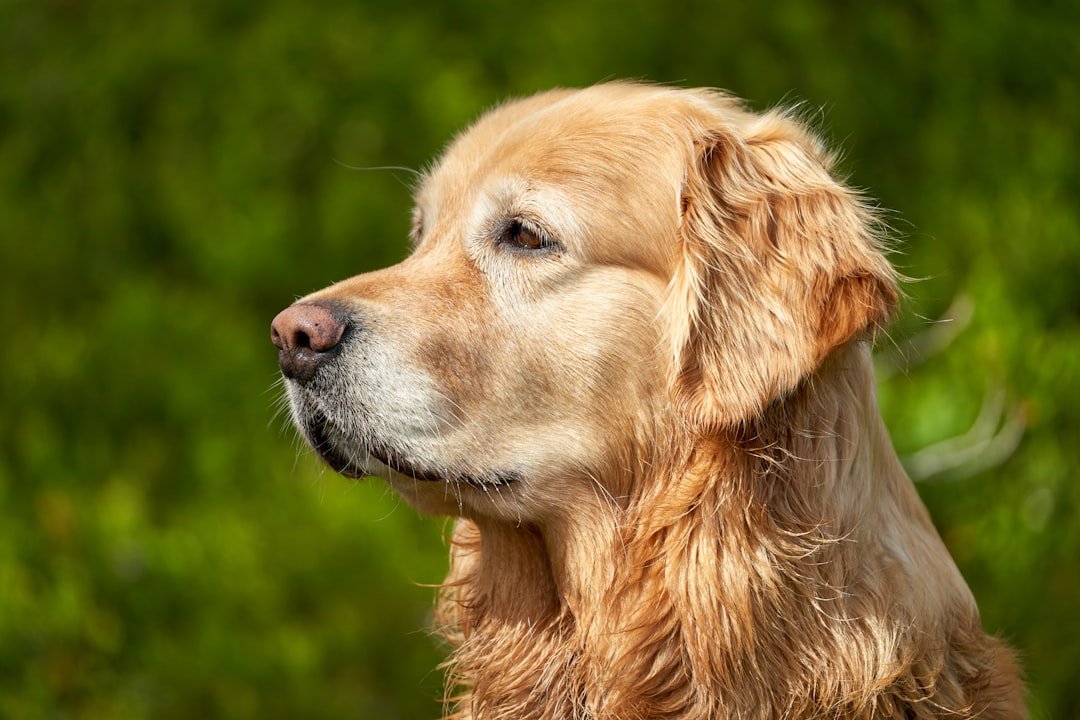
Older dogs can develop conditions that make panting more noticeable.
Pain, heart or respiratory disease, hormonal disease, medication side effects and reduced heat tolerance can all contribute.
A meaningful change from that individual dog’s normal behavior is more important than whether another Golden also pants a lot.
Can medication cause panting?
Yes.
Some medications, including corticosteroids, can increase panting.
If the timing lines up with a new medication or dose change, mention it to your veterinarian rather than stopping prescribed medication on your own.
What about heatstroke?
Heavy panting in a hot dog can be an emergency.
Signs can include excessive panting, weakness, confusion, vomiting, collapse and abnormal gum color.
Move the dog out of the heat and seek urgent veterinary advice.
Heatstroke can progress quickly.
Why does my Golden pant when excited?
Excitement increases arousal and physical activity.
A Golden who has just greeted visitors, played intensely or anticipated a walk may pant even if the room is not especially warm.
If the dog settles normally once the exciting event passes, that is very different from persistent unexplained panting.
Related health and fitness guides: See how much exercise a Golden Retriever needs, and our Golden Retriever health guide for wider medical context.
Useful external reading: The AKC guide to why dogs pant is useful for normal heat and exercise context, while the AKC heatstroke guide covers the warning signs that turn panting into an urgent medical concern.
A practical way to assess new panting
Begin with the circumstances. Has your Golden just exercised, become excited or been somewhere hot? If they otherwise seem well, move them to a cool, quiet place, offer water and observe whether their breathing gradually returns to normal. The important comparison is with their usual recovery, rather than another dog’s breathing pattern.
Do not wait to see whether heavy breathing improves if your dog is struggling to breathe, collapsing, becoming confused or showing abnormal gum colour. Those signs call for urgent veterinary help. Suspected heatstroke is also an emergency: begin cooling with cool water while arranging immediate veterinary care, avoiding icy immersion or delaying transport to see whether the dog recovers on their own.
For recurring episodes, note the temperature, activity, medication changes, how long panting lasts and any accompanying symptoms. A short video can help your vet understand what you are seeing, provided recording does not delay care. If excitement or environmental stress seems relevant, Rebarkable’s dog body-language guide can help you look beyond panting alone.
The bottom line
Panting is normal dog behavior.
Golden Retrievers may pant after exercise, during warm weather and when excited.
What matters is context and change.
If your Golden is panting heavily at rest, cannot settle, seems painful or unwell, or is showing a sudden change from normal, get veterinary advice.
Do not use “Goldens pant a lot” as a reason to ignore a dog who is telling you something has changed.