Golden Retrievers need exercise, but I think owners are often asking the wrong question when they ask how to tire one out.
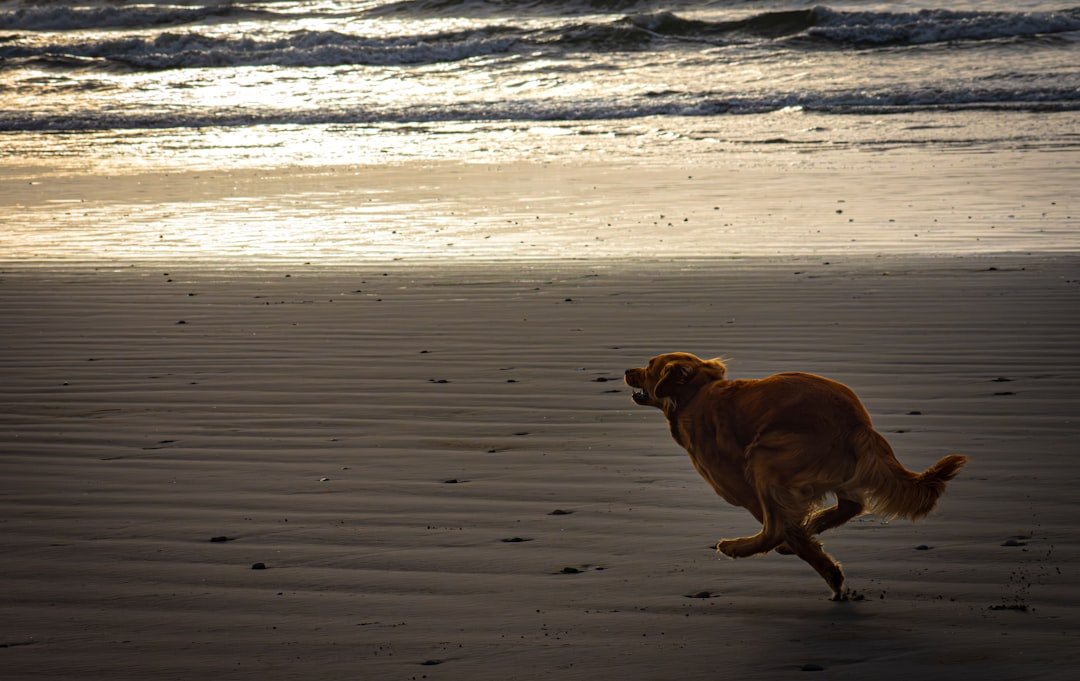
I don’t use exercise to exhaust a Golden Retriever. I use it to keep them fit, healthy and biologically satisfied — and then I teach them how to settle.
That distinction matters. If every time your young Golden is excitable you respond by adding more and more high-intensity exercise, you can end up with an extremely fit dog who still has absolutely no idea how to switch off.
How much exercise does a Golden Retriever need?
There isn’t one perfect number for every Golden. Age, health, fitness, temperament and the individual dog all matter.
For an adult, healthy Golden, daily movement should usually include a mixture of walking, sniffing, play and opportunities to move naturally. Goldens are wonderfully versatile dogs, so the exact activity matters less than giving them a balanced life.
Some adore retrieving. Some love swimming. Some want to hike with you. Some will happily spend ages sniffing their way around somewhere new. You don’t need to turn every Golden into an endurance athlete simply because they’re a sporting breed.
How much exercise does a Golden Retriever puppy need?
For puppies, I do use the familiar five-minutes-per-month-of-age guideline as a useful starting point: roughly five minutes of structured exercise for each month of age, up to twice a day.
So a four-month-old puppy might have around 20 minutes at a time as a rough guide. A little more or a little less is absolutely fine. Use judgement.
I don’t treat the rule as a stopwatch or a biological law. Puppies are individuals, and not all movement is equal. Twenty minutes of wandering, sniffing and exploring is very different from twenty minutes of repetitive high-impact ball chasing.
The point is to avoid overdoing structured, intense exercise while a puppy is developing — not to panic because your puppy pottered around the garden for six minutes longer than a formula said they should.
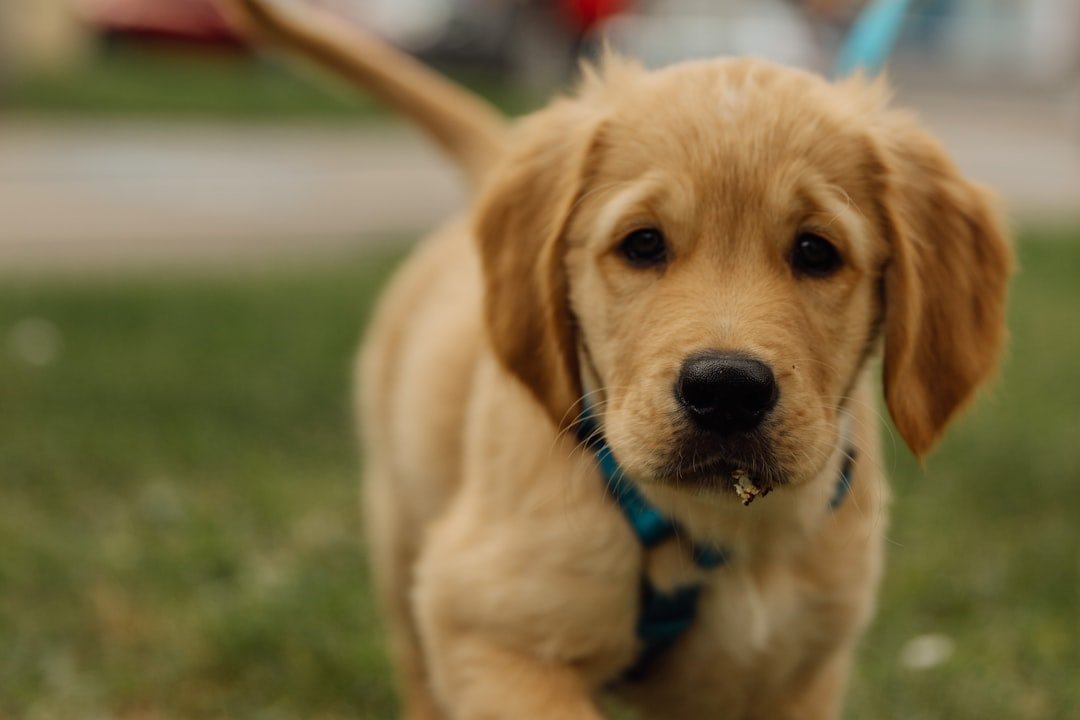
What exercise is best for a Golden Retriever puppy?
I like lower-intensity, varied movement: sniffing, walking, exploring and appropriate play.
During development I would minimise unnecessary intensity and repetitive impact. That includes lots of jumping, repeated stairs and endlessly hammering the same movement pattern.
Puppies still need to move. They need to learn about their bodies and the world. The answer isn’t wrapping them in bubble wrap; it’s being sensible about what you repeatedly ask a developing body to do.
A long line and harness can be really useful for giving a puppy room to sniff and explore safely without turning the outing into constant leash tension or high-speed exercise.
Fetch is great — but how you play matters
Goldens are retrievers. Fetch is an obvious activity, and for a dog who genuinely loves retrieving it can be fantastic.
But there’s a difference between playing fetch and standing still repeatedly launching a ball as far as possible because it’s an efficient way for a human to physically exhaust the dog.
Good retrieving play tends to sit within a broader walk or play session. There are pauses, other activities, sniffing and natural changes in intensity. The dog gets the biological satisfaction of doing something retriever-ish without the entire outing becoming repetitive sprint-stop-turn-sprint exercise.
I don’t think using a dog’s love of retrieving against them simply because it makes them easier to tire out is particularly fair, even if they look very satisfied afterwards.
And please don’t give your Golden real tennis balls as their everyday retrieving toy. Tennis-ball felt is designed to interact with a tennis court and can be abrasive on teeth when dogs repeatedly carry and chew it. I prefer a dog-specific ball such as a large Chuckit ball.
Swimming and Golden Retrievers
Swimming can be brilliant for Goldens who enjoy it. They’re an all-purpose sort of dog, and many absolutely adore water.
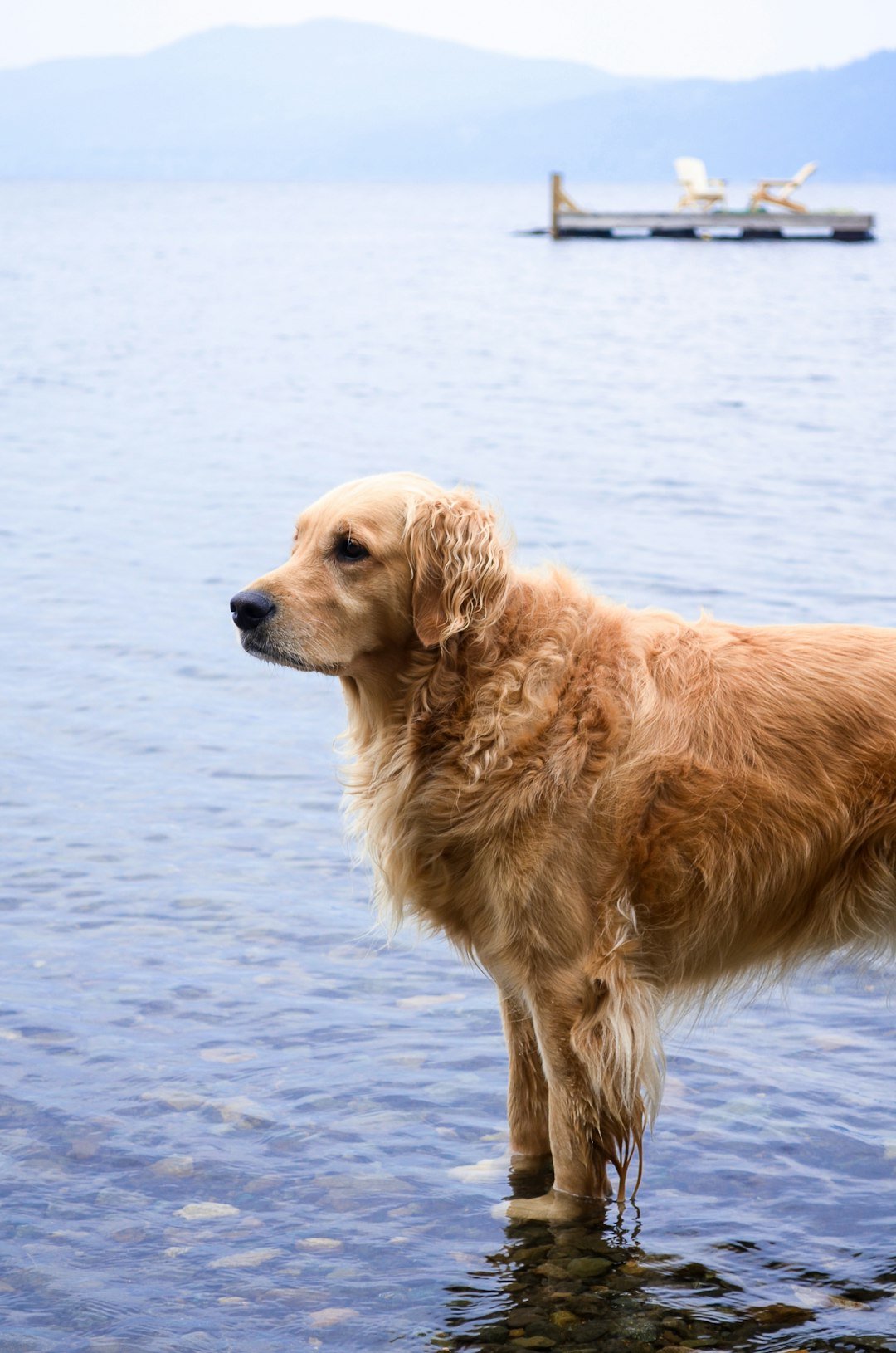
If your individual dog loves swimming, I think it can be a great part of a well-balanced lifestyle. Just remember that Goldens become remarkably soggy when they get properly wet.
That isn’t only a housekeeping issue. Their dense coat can trap moisture close to the skin, so after a proper swim, getting the coat thoroughly dry matters. A dog dryer can be particularly useful for Goldens who swim regularly.
Sniffing counts
Owners sometimes dismiss sniffing because the dog isn’t travelling very far. I wouldn’t.
Sniffing gives a dog information, choice and mental engagement. A slower walk where your Golden gets to investigate the environment can be enormously worthwhile without piling on physical intensity.
This is also why I don’t measure the quality of a walk in miles. A frantic five-mile march and an interesting, varied outing are not the same experience.
Mental exercise doesn’t have to mean complicated puzzles
Training, chewing, licking, sniffing and problem-solving can all form part of a Golden’s day.
Food toys are an easy option. A Kong can give a dog something appropriate to lick and work at, and if you’re unsure how to use one effectively, I have a How to Kong guide that goes into it properly.
But enrichment shouldn’t become another competition where the dog has to be entertained every waking second. Learning to rest is a skill too.
Exercise does not teach a Golden Retriever to calm down
This is probably my biggest issue with the way people talk about exercising adolescent Goldens.
Being physically tired and knowing how to self-regulate are not the same thing.
I want to meet a dog’s physical needs, absolutely. Then I also create opportunities for relaxation and calmly reinforce the dog when they choose to settle. Sniffing, chewing and licking can be useful lower-arousal activities around those periods of rest.
If the only way your Golden ever settles is because they’re physically incapable of doing anything else after an enormous exercise session, you haven’t really taught an off switch.
Can you exercise a Golden Retriever too much?
Yes, particularly if the exercise is repetitive, high impact or inappropriate for the dog’s age or physical condition. If you are worried about joints or altered movement, see our Golden Retriever hip and elbow dysplasia guide. Body condition matters here too, so don’t use exercise to compensate for chronic overfeeding; our Golden Retriever weight guide explains how to assess the dog underneath the fluff.
Watch the dog in front of you. Changes in gait, stiffness, reluctance to continue, unusual fatigue, soreness or a change in how they approach an activity deserve attention.
One surprisingly useful thing to watch is claw wear. A dog’s established wear pattern can tell you something about how they move. If the claws suddenly start wearing differently on one side or one paw, the dog may be compensating for discomfort and I would want that investigated by a vet.
Exercise for senior Golden Retrievers
Don’t decide what an older Golden needs purely from their birthday.
A senior dog may need shorter or gentler exercise, more sleep and different management. Or they may still be remarkably active. Work with the individual dog.
Joint discomfort can make older dogs change how they move before the signs seem dramatic. Gentle movement is often something I want to preserve rather than eliminate. Ramps can make access easier, water-based activity can suit some dogs, and maintaining useful muscle matters.
If your senior Golden’s willingness or ability to exercise changes suddenly, don’t simply assume they’re getting old. Get them checked.
For non-emergency questions about a change in exercise tolerance, recovery or what activity may be appropriate, Dutch offers online veterinary care. That can be useful for getting professional guidance or follow-up, while pain, significant lameness or anything requiring an examination still belongs with an in-person vet. This is an affiliate link, so Golden Retriever Expert may earn a commission at no extra cost to you.
What does a well-exercised Golden Retriever look like?
Not necessarily a dog lying unconscious on the kitchen floor.
I want a Golden who is physically fit enough for their life, gets opportunities to walk, sniff, play and do things they enjoy, and can also exist peacefully without needing constant entertainment.
Exercise is one part of that. Training and self-regulation are another. Rest is another.
Meet the dog in front of you rather than chasing a magic number of miles, minutes or ball throws. Keep them fit. Let them do Golden Retriever things. And teach them that sometimes, genuinely, nothing is happening — and that’s okay too.