
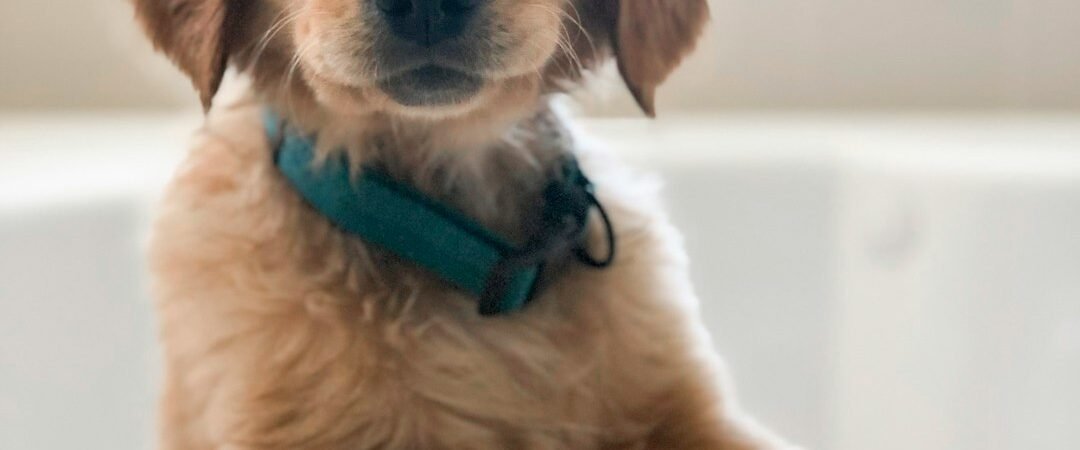
Golden Retrievers are dogs. They are not going to smell like fresh laundry all the time.
But there is a difference between normal dog smell and a strong, persistent or suddenly unusual odor.
Goldens have dense coats, floppy ears and a tendency to get wet, muddy and generally involved in things. That creates several very ordinary reasons for smell.
It can also make odor one of the first signs that something is going on with the skin or ears.
Writer Sophie Bennett looks at the common reasons a Golden Retriever may smell, with perspective from professional dog trainer and behavior consultant Ali Smith.
Do Golden Retrievers naturally smell?
All dogs have some natural odor.
A healthy Golden should not normally have an overpowering smell when clean and dry.
If the odor is strong enough that you notice it constantly, or it has changed recently, it is worth figuring out where it is coming from rather than simply bathing the whole dog more often.
Wet Golden Retriever smell
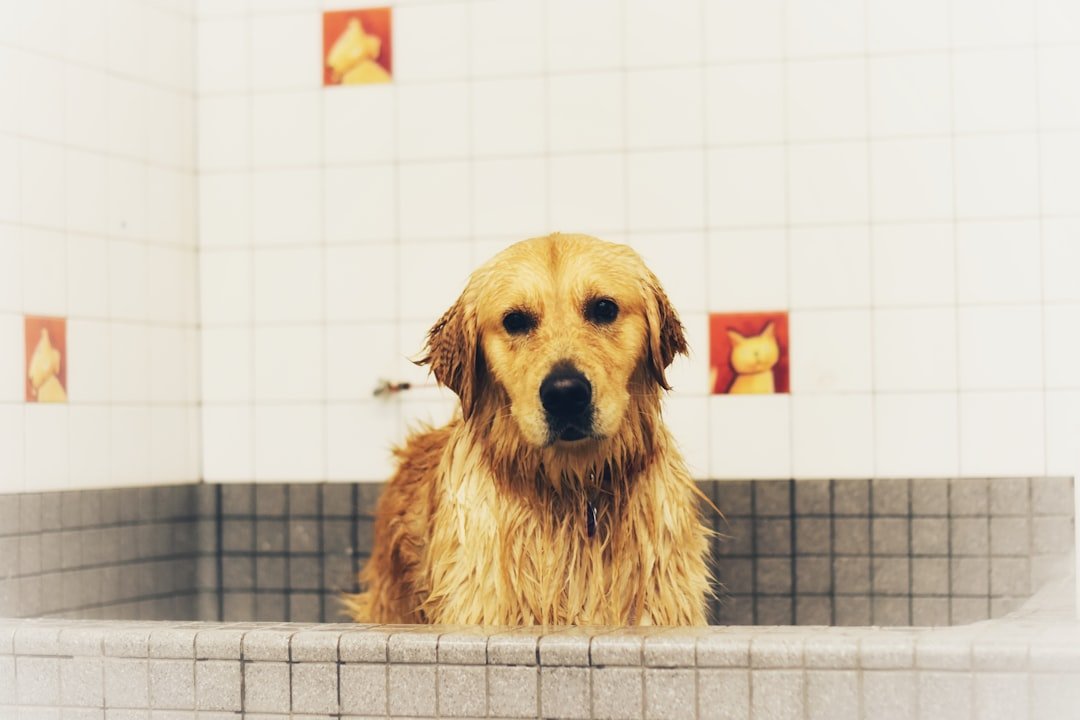
A wet double coat can smell considerably stronger than a dry one.
Goldens hold a lot of moisture in their coat, especially around dense feathering and the undercoat.
After swimming, bathing or heavy rain, dry the dog properly rather than leaving the coat damp for hours.
Our Golden Retriever grooming guide explains drying and coat care in more detail.
Could the smell be coming from the ears?
Yes.
Floppy ears create a warm environment with relatively limited airflow.
A strong yeasty, sweet, sour or generally unpleasant odor from one or both ears can be associated with inflammation or infection.
You may also notice redness, discharge, head shaking, scratching or sensitivity around the ear.
Do not repeatedly pour cleaners into an obviously painful or inflamed ear and hope it resolves. Get your veterinarian to examine it.
Could it be a skin problem?
Absolutely.
Skin inflammation, yeast overgrowth, bacterial infection, allergies and moist dermatitis can all create odor.
Look through the coat rather than only looking at the surface.
Check for redness, greasy areas, flaky skin, sores, hair loss, damp patches or places your dog is licking and chewing repeatedly.
What are hot spots?
Hot spots are areas of acute moist dermatitis that can become red, wet, painful and unpleasant-smelling very quickly.
Dense-coated dogs such as Goldens can hide them surprisingly well under the coat.
If you find an inflamed, wet or painful patch, contact your veterinarian rather than covering it with fragrance or waiting for the next bath.
Can dirty coat make a Golden smell?
Of course.
Mud, pond water, saliva, outdoor debris and whatever mysterious substance your Golden just rolled in can all cling to the coat.
The practical distinction is whether the smell disappears after appropriate grooming and drying.
If the dog is clean and still smells strongly, keep looking.
Why does my Golden smell soon after a bath?
There are several possibilities.
The coat may not have dried thoroughly. There may be an underlying skin or ear problem that bathing does not address. Or the shampoo may be masking the smell temporarily without dealing with its source.
Persistent odor immediately after washing is a good reason to inspect the skin and ears carefully.
Can too much bathing make odor worse?
Potentially.
Repeated washing with harsh or unsuitable products can irritate the skin barrier.
If you find yourself bathing the dog constantly because the smell keeps returning, I would stop treating the smell as a cleanliness problem and start asking whether there is a medical one.
What about bad breath?
If the smell is clearly coming from the mouth, that is a different problem.
Persistent foul breath can be associated with dental disease and other health issues.
Do not assume all dog breath is meant to be terrible.
Could anal glands be the smell?
Yes.
Anal gland secretion has a very distinctive strong, fishy odor.
Dogs can occasionally release a small amount when frightened or excited, but persistent odor, scooting, licking around the rear or discomfort deserves veterinary assessment.
Does diet make Golden Retrievers smell?
Diet can influence skin and gastrointestinal health in some dogs, but changing food should not be the default response to every odor.
Skin allergies can have dietary or environmental components, and diagnosing them properly is much more useful than repeatedly switching foods based on guesswork.
When should I call the vet?
Book an appointment if odor is accompanied by:
- red, sore or greasy skin;
- hair loss;
- persistent scratching or licking;
- ear discharge or head shaking;
- pain when you touch the ears or skin;
- open or wet sores;
- persistent fishy odor;
- a sudden major change in smell;
- other signs that your dog feels unwell.
Smell is not a diagnosis, but it can be useful information.
How do I keep a healthy Golden smelling reasonable?
Regular coat care goes a long way.
Brush out loose coat. Dry the dog properly after getting wet. Keep bedding clean. Check ears regularly. Address skin problems early rather than covering them with scented products.
And accept a reasonable amount of dog-ness.
A healthy Golden Retriever does not need to smell like perfume.
Related care guides: If the smell is coming from the ears, use our Golden Retriever ear-cleaning guide. For coat care, see how to groom a Golden Retriever, and for wider health concerns read our Golden Retriever health guide.
Useful external reading: If the smell seems ear-related, VCA’s ear-cleaning guidance explains what normal home care looks like and when redness, pain or discharge needs veterinary attention. For routine coat care, the AKC Golden Retriever grooming guide is a useful reference.
The bottom line
A little dog smell is normal.
A strong, persistent or unusual smell deserves more attention.
With Golden Retrievers, the common places to investigate are the dense coat, skin and floppy ears, along with the mouth and anal glands where appropriate.
If cleaning does not solve it, or you can see inflammation or discomfort, stop trying to deodorize the dog and find the cause.