
Golden Retrievers have a lot of coat, but I don’t think grooming one needs to become a weekly salon appointment.
For most Goldens, the fundamentals are wonderfully boring: brush them properly, bathe them when they actually need it, dry them thoroughly, and brush them again. Most healthy Golden coats shed appropriately. I don’t routinely trim them, and I would never shave a Golden Retriever as normal grooming.
The bigger mistake is often doing a superficial brush over the fluffy outside while missing what’s happening underneath.
How often should you groom a Golden Retriever?
I like a good brush-out around twice a week. That gives you a chance to work through the coat properly, remove loose hair and catch small tangles before they become annoying.
A full groom — brush, bath, thorough dry, then brush again — might only be needed quarterly or even every six months for some dogs. Lifestyle gets the final say. A Golden who swims constantly, rolls in questionable things or spends half their life outdoors may need different management from one who stays relatively clean.
And mud doesn’t automatically mean shampoo. Quite often I will simply let mud dry and brush it out.
What brushes do you need for a Golden Retriever?
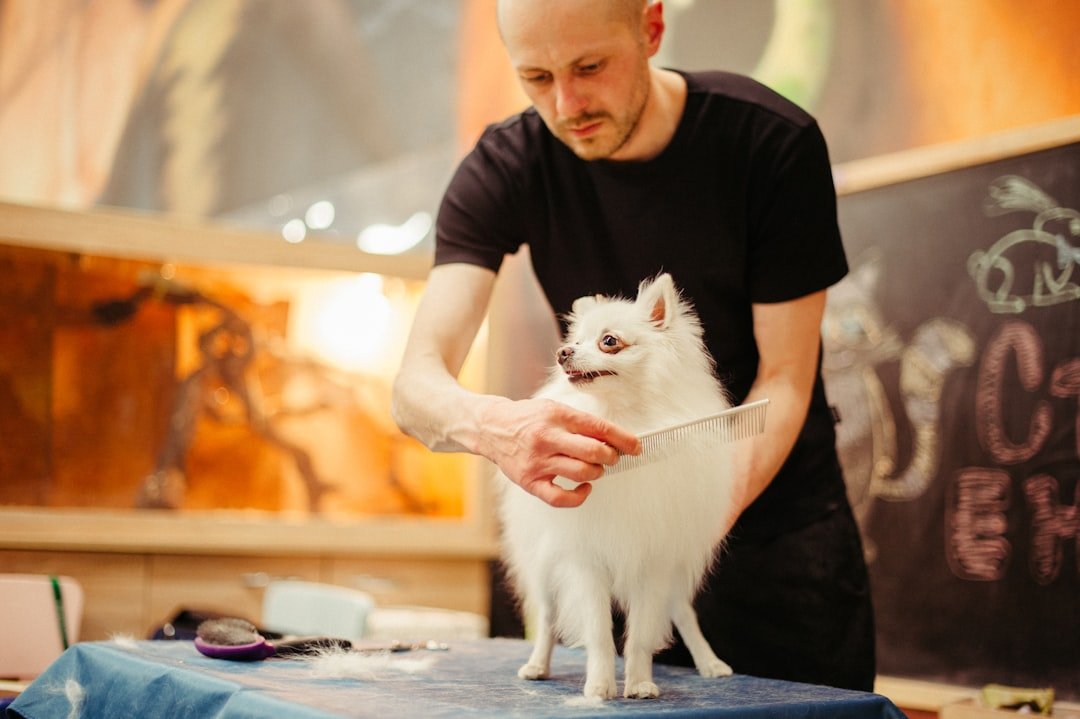
I use three basic tools because they do different jobs.
A slicker brush is my general-purpose brush. An undercoat rake is particularly useful for getting loose undercoat out when a Golden is shedding heavily. And a greyhound comb is useful for finer tangles and checking areas more precisely.
You don’t need to collect fifteen grooming tools. I would rather have those three and actually know what each is for.
Can you line brush a Golden Retriever?
Yes. Line brushing can be useful on a Golden’s dense coat because it helps you work systematically through the coat rather than just brushing over the surface.
Part the coat so you can work through smaller sections, brush through that section, then move gradually across the dog. The goal isn’t aggressive brushing or repeatedly scraping the skin. You’re making sure you’ve actually reached through the coat and dealt with loose undercoat and tangles rather than making the top layer look tidy.
This is especially useful during heavier shedding periods.
How often should you bathe a Golden Retriever?
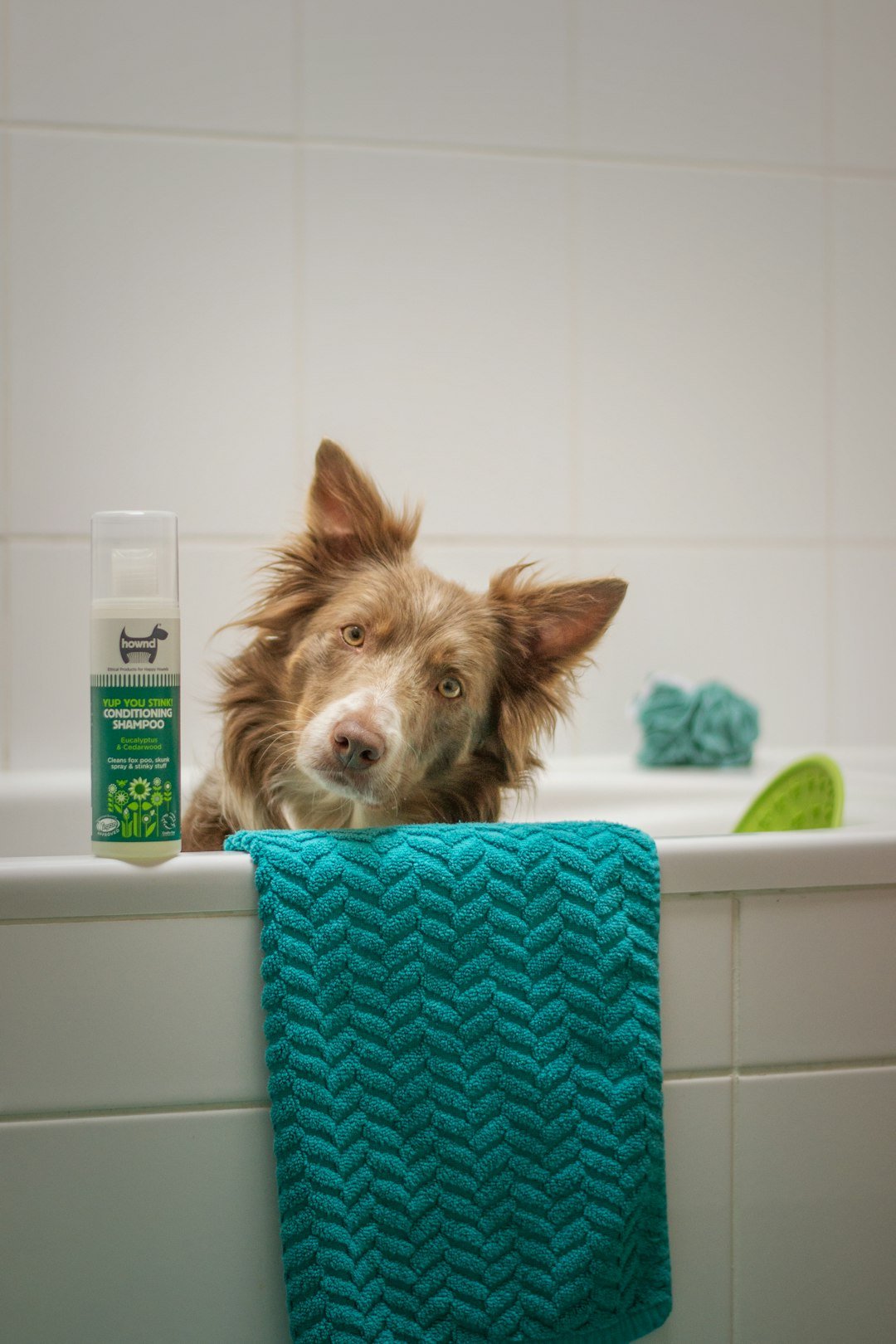
I don’t bathe according to a rigid calendar. A full bath every few months may be plenty for many Goldens, and some will need one sooner because they’ve become genuinely dirty.
The product requirement I care about most is simple: use something dog-safe. Human shampoos and random household products aren’t substitutes for products formulated appropriately for dogs.
I personally like Mud Madre, but I don’t think a Golden needs a magical breed-specific shampoo to have a healthy coat.
Brush before the bath
My full-groom order is brush, bathe, dry, brush.
Brushing first means you’re not soaking a coat full of loose hair and tangles. Then wash the dog, rinse properly, get them genuinely dry, and brush through once more afterwards.
Simple works.
Drying a Golden Retriever properly is imperative
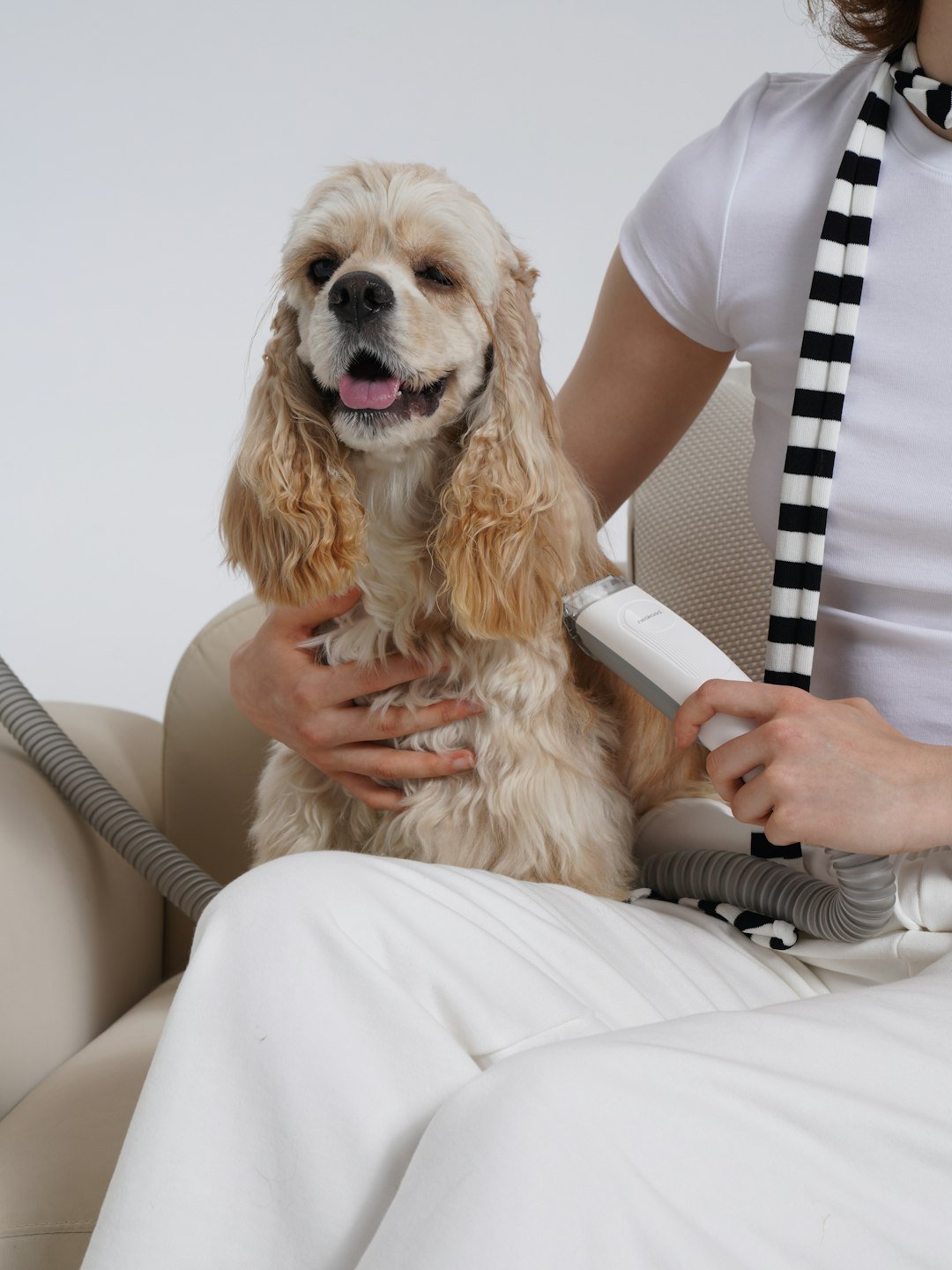
This is the part I would not skip.
A Golden’s dense coat can trap water close to the skin even when the outside doesn’t feel particularly wet. Leaving moisture sitting against the skin can contribute to irritation, so after a proper soaking I want the coat dried thoroughly rather than just towelled on top and left damp underneath.
A dog dryer is particularly useful if you have a Golden who swims regularly or you bathe at home.
Work through the coat rather than blasting one area endlessly. You want air moving through that dense coat and moisture coming out from underneath it.
What about after swimming?
If your Golden loves water, brilliant. Swimming can be a lovely part of a balanced lifestyle for a dog who enjoys it.
It does, however, create extra grooming. Goldens are very soggy dogs when they get truly wet.
Check the coat and skin, get them properly dry, and pay attention to the ears too. Floppy ears plus regular water exposure makes ear awareness particularly useful.
Check — and sniff — your Golden’s ears
Yes, sniff them.
When you’re grooming, look at your dog’s ears and learn what healthy ears normally look and smell like for that individual. An unusual smell can be one of the things that alerts you that something has changed.
Smell doesn’t diagnose an ear infection. Redness, discharge, repeated scratching, head shaking, pain or a significant change in smell are reasons to involve your vet rather than pouring random ear products in and hoping for the best.
Should you trim a Golden Retriever?
I don’t routinely recommend trimming Golden Retrievers. Most Goldens shed their coat appropriately and don’t need humans sculpting it into shape.
There are individual circumstances where a groomer or vet may have a reason to clip a particular area, but that’s different from treating routine trimming as an essential part of owning the breed.
For an ordinary healthy Golden, good coat care is much more about brushing, shedding, skin health and drying than creating a particular silhouette.
Should you shave a Golden Retriever?
No. I would never shave a Golden Retriever as routine or cosmetic grooming.
They’re a double-coated breed. Shaving is not my solution to shedding, summer, easier grooming or a dog getting muddy.
If a veterinarian needs to clip hair for a medical procedure or treatment, obviously that’s a different situation. But don’t take clippers to the whole coat because you’re fed up with Golden fluff on the floor.
Grooming is also a health check
One of the things I like most about regular grooming is that you put your hands on the dog.
Goldens are fluffy enough to hide quite a lot visually. While you’re brushing, feel their body. You should get familiar with their ribs, muscle over the back, hips and shoulders, skin, paws and any existing lumps or bumps.
If you know what normally lives underneath all that coat, a new lump or physical change is much easier to notice. I would have new or changing lumps checked by a vet rather than guessing what they are.
Look at the claws too. Not only their length, but how they wear. Consistent uneven wear can be something to keep an eye on over the longer term. A new change in wear — particularly if one paw or side suddenly looks different — can indicate that a dog is moving or loading their body differently, and that’s worth a veterinary conversation.
Don’t turn grooming into a fight
You can teach grooming exactly like any other handling skill.
Start before you desperately need to do something. Let puppies experience brushes, dryers, paws being handled and ears being checked in small, positive pieces. Reward cooperation and stop before you’ve pushed the dog into panic.
The same principle applies to claws: one claw successfully clipped is more useful than forcing an entire paw while the dog becomes increasingly frightened. You can build from there. Our Golden Retriever claw-cutting guide walks through the handling, desensitisation and clipping technique separately.
If you’re raising a puppy and want the wider training foundations alongside handling and grooming, my Puppy Bundle covers the broader puppy setup and training process.
A simple Golden Retriever grooming routine
For most families, I would keep it uncomplicated. Give your Golden a thorough brush around twice a week. Use a slicker for general brushing, an undercoat rake when they’re shedding and a comb for finer tangles and checking your work. Bathe when the dog actually needs bathing, then dry the coat properly and brush through again.
Check the ears, paws, claws, skin and body while you’re there.
Don’t trim them just because the internet says a Golden needs a haircut. Don’t shave them. And don’t mistake owning more grooming products for doing a better job.
A healthy Golden coat mostly needs you to understand it, maintain it and then let it do what it was designed to do.