
If you are looking for one perfect number your Golden Retriever should weigh, I am going to disappoint you slightly: there isn’t one.
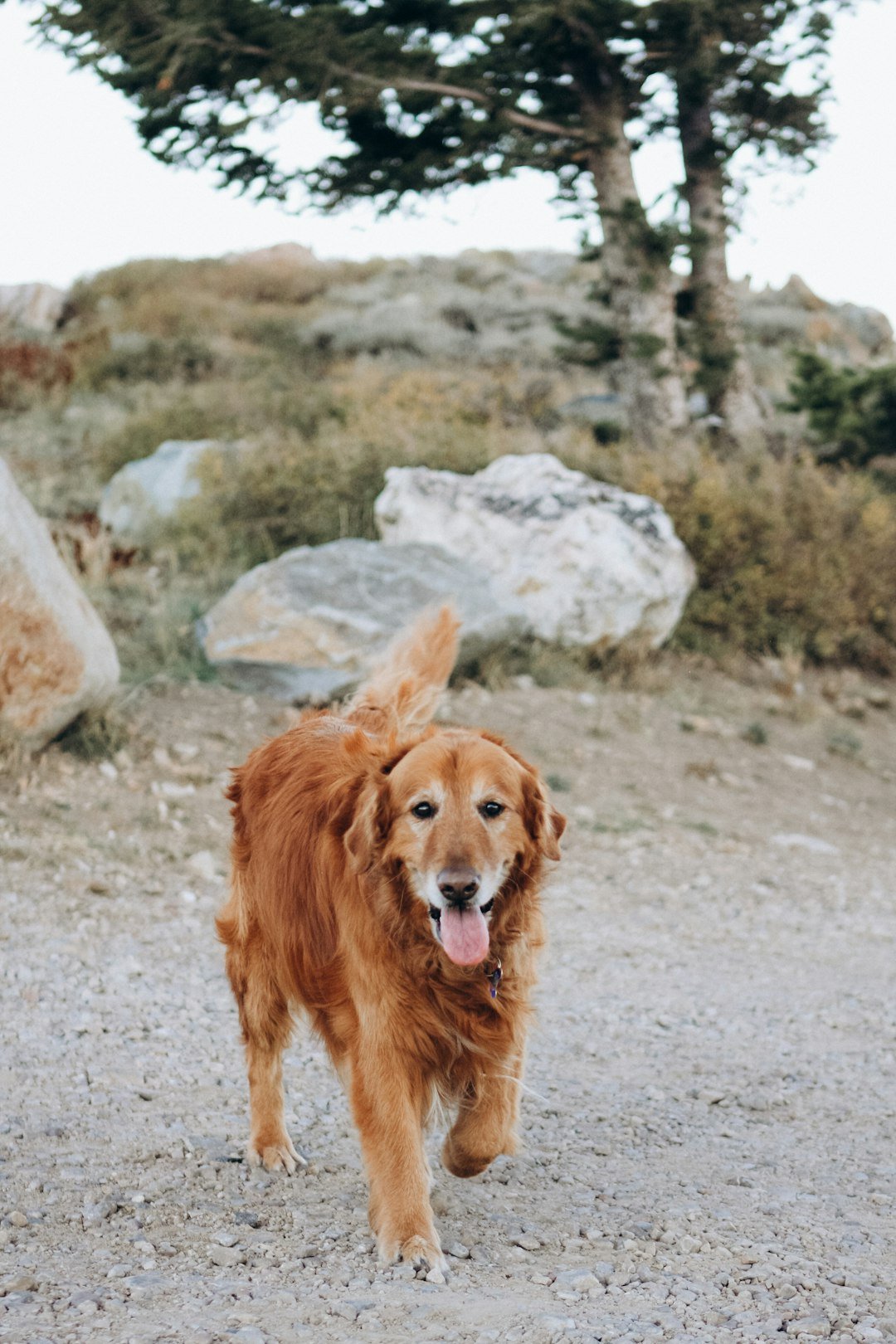
Weight ranges can be useful context, but I care much more about the dog standing in front of me. A healthy Golden should be assessed by body condition, muscle and how their weight is changing over time — not by trying to force every male or female Golden onto an arbitrary target on a chart.
And with Goldens, this matters particularly because all that coat can hide what’s underneath.
What is the average Golden Retriever weight?
Breed-standard ranges can give owners a rough idea of the size of an adult Golden Retriever, and males are generally larger than females. But an average or breed-standard range is not an individual dog’s prescription.
Frame, sex, genetics, muscle mass, age and the individual line all affect what a healthy weight looks like. Two healthy adult Goldens can weigh noticeably different amounts and both be in excellent condition.
So use the scale to track your dog. Do not use it as the sole judge of whether your dog is healthy.
How can you tell if a Golden Retriever is a healthy weight?
Use your hands.
With a Golden in good body condition, I want to be able to feel the last couple of ribs fairly easily rather than digging through a thick layer of body fat. I also want good muscle tone over the back, hips and shoulders.
Look at the overall shape too. A healthy body condition normally includes a visible waist and abdominal tuck, although a Golden’s coat can make these much harder to judge visually than they would be on a short-coated dog.
This is why body condition scoring is much more useful than saying, for example, that every adult male Golden should weigh exactly X pounds. The number on the scales is one piece of information. The body underneath the fluff is what matters.
Why are Golden Retrievers so easy to overfeed?
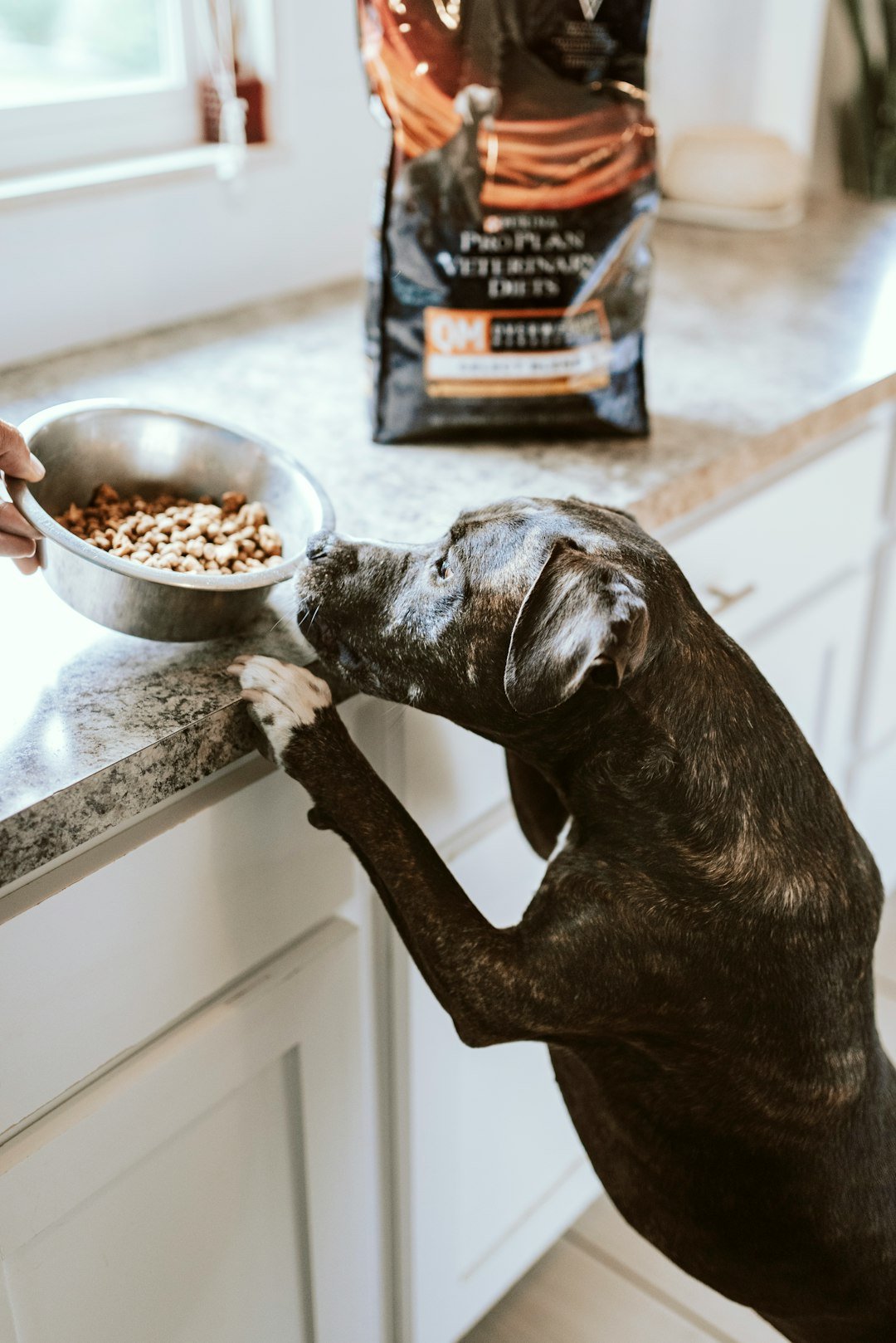
Because they are very hungry dogs. Honestly, that is a substantial part of it.
Goldens tend to be extremely food motivated, and humans are very good at interpreting enthusiasm for food as evidence that the dog needs more of it. A Golden can finish dinner enthusiastically, look hopeful about seconds and still have eaten exactly the amount they need.
In practice, when I see an overweight otherwise healthy Golden, one of the first things I would look at is simply how much food is going into the dog.
Is it treats making my Golden Retriever fat?
They can contribute, obviously, but I would look at the big picture before blaming training treats.
I use tiny rewards. One hundred pea-sized pieces of cheese across training are not remotely the same thing as feeding enormous chunks of cheese. For a large dog like a Golden, genuinely tiny rewards let you reinforce a lot of behaviour without turning every training session into an extra meal.
What can make a much bigger day-after-day difference is consistently overfeeding the main diet. Feeding 20% more food than the dog actually needs, every day, adds up.
If you train frequently, factor rewards into the dog’s overall intake. But don’t become so frightened of calories that you stop reinforcing good behaviour while simultaneously pouring too much dinner into the bowl.
How much should a Golden Retriever puppy weigh?
Puppies are exactly where I dislike falsely precise growth charts.

Golden puppies do not all grow at the same rate, and a chart telling you that a six-month-old Golden “should” weigh one exact amount can create unnecessary worry or encourage owners to feed toward a number rather than the puppy in front of them.
Growth should be monitored over time. Your puppy’s breeder can also provide useful context because they know the line, parents and how related dogs tend to mature.
For concerns about unusually fast or slow growth, sudden weight changes or body condition, involve your vet rather than trying to correct a growth chart yourself.
Why keeping a Golden lean matters
Body condition is not about aesthetics. Excess body fat places additional load on joints and is associated with poorer health outcomes.
This matters in a breed where orthopedic problems such as hip and elbow dysplasia are already important considerations. Keeping a Golden appropriately lean is one of the practical things an owner can actually control. If joints are already a concern, our Golden Retriever hip and elbow dysplasia guide goes into management in much more detail.
I also want muscle, though. “Thin” and “fit” are not synonyms. Appropriate walking, sniffing, play, retrieving, swimming and other movement help maintain useful strength and fitness.
Don’t exercise an overweight Golden into the ground
If a Golden is overweight, the answer is not to exhaust them.
Exercise should keep your dog fit and healthy. It shouldn’t be used as punishment for eating too much, and repeatedly launching a ball until a food-motivated, enthusiastic retriever is physically shattered is not a sensible weight-management plan.
Look at the food first. Then build appropriate movement for the individual dog’s age, condition and physical health. Our Golden Retriever exercise guide explains what that balance can look like from puppyhood through the senior years.
A long line and well-fitted harness can give dogs more opportunity for natural movement and sniffing where safe off-leash access is not available.
What about senior Golden Retrievers?
Work with the senior dog in front of you rather than deciding that every older Golden automatically needs less food and less exercise.
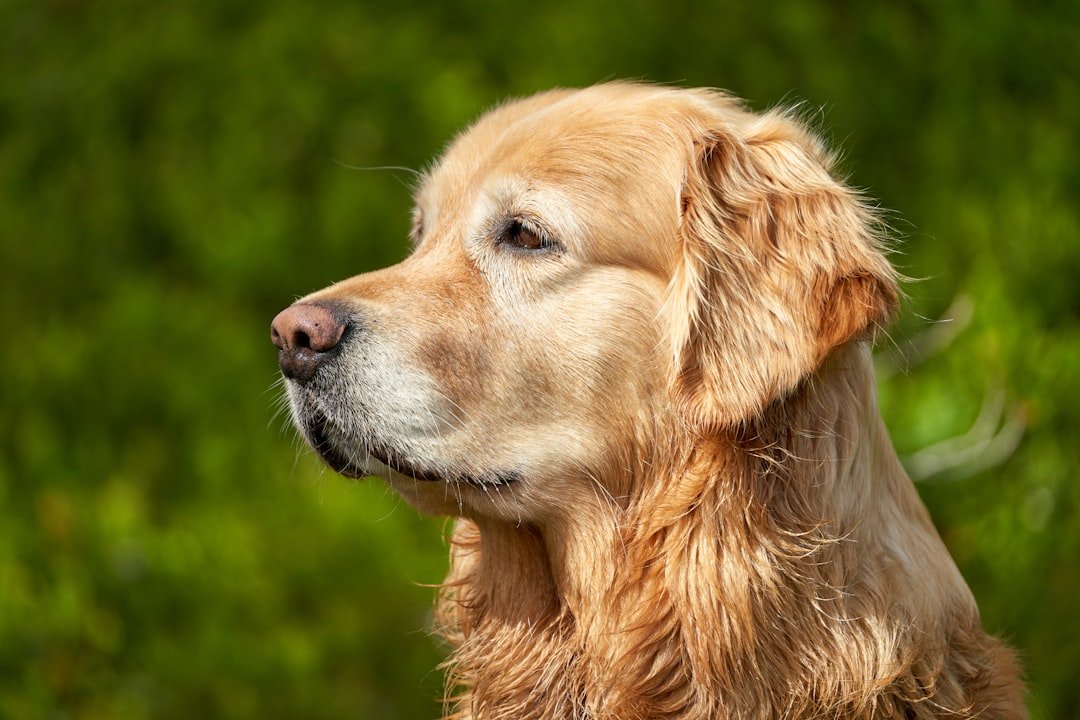
Some do need fewer calories as activity changes. Some remain remarkably active. Some lose muscle and need their management reconsidered. Some begin moving differently because their joints hurt.
Keep gently moving them where appropriate, maintain muscle and pay attention to changes. If an older dog suddenly gains or loses weight, becomes less willing to move or changes how they get up, walk or use stairs, don’t write it off as “just old age.”
When should weight change mean a vet visit?

Unexplained or sudden weight change deserves attention, particularly when nothing obvious has changed in feeding or activity.
Weight gain and weight loss can both be associated with medical problems. Changes in appetite, thirst, energy, coat, toileting or behaviour alongside weight change make veterinary assessment even more important.
For a non-urgent weight, diet or health question, Dutch gives you access to online veterinary care, which can be useful when you want professional input on what to do next rather than trying to interpret a chart yourself. Sudden or significant changes still need whatever hands-on assessment your vet recommends. This is an affiliate link, so Golden Retriever Expert may earn a commission at no extra cost to you.
And this comes back to something I say constantly: know your dog. Regularly feeling their body means you are far more likely to notice a change before a number on the scales becomes dramatic.
How often should you weigh a Golden Retriever?
There is no need to obsessively weigh a healthy adult dog. Use weighing as one of several ways to monitor trends.
Puppies will naturally be weighed more frequently while growing, and dogs on a deliberate weight-management programme may benefit from regular measurements so you and your veterinary team can see whether the plan is working.
For everyday ownership, combine occasional weighing with hands-on body-condition checks. Grooming is a brilliant opportunity: while you are brushing through that coat, feel the ribs, back, hips and shoulders.
So, what should my Golden Retriever weigh?
The amount at which your Golden has a healthy body condition and useful muscle.
Breed averages are context, not a target. Learn how your dog feels under their coat, use a recognised body-condition scoring system, track meaningful changes and adjust food to the individual rather than blindly following the feeding quantity on a bag.
Goldens will quite happily convince you they are starving approximately five minutes after dinner. You are allowed to love them without believing them.