

Not all Golden Retrievers have the same coat.
Some are heavily feathered, dense and spectacularly fluffy. Others are much sleeker, with shorter feathering and a more athletic outline.
That difference is not usually about one dog being “more Golden” than another.
Coat type is influenced by genetics, breeding line, age, sex, health and grooming.
Writer Sophie Bennett looks at why Golden Retriever coats vary so much, with perspective from professional dog trainer and behavior consultant Ali Smith.
What kind of coat does a Golden Retriever have?
Golden Retrievers have a double coat: a softer undercoat beneath a water-resistant outer coat.
The breed standard describes the outer coat as firm and resilient, with good undercoat, and allows it to be straight or wavy.
Feathering develops around areas such as the neck, chest, legs, underside and tail.
But the amount of coat can vary enormously between individuals.
Why are some Golden Retrievers much fluffier?
Genetics.
Some lines have been selected for a heavier, more dramatic coat. Others have been selected more strongly for working ability, where a huge amount of coat is not necessarily advantageous.
That is why show-line Goldens often look heavier-coated than field-line dogs.
Our field vs show Golden Retriever guide explains the wider differences between those types.
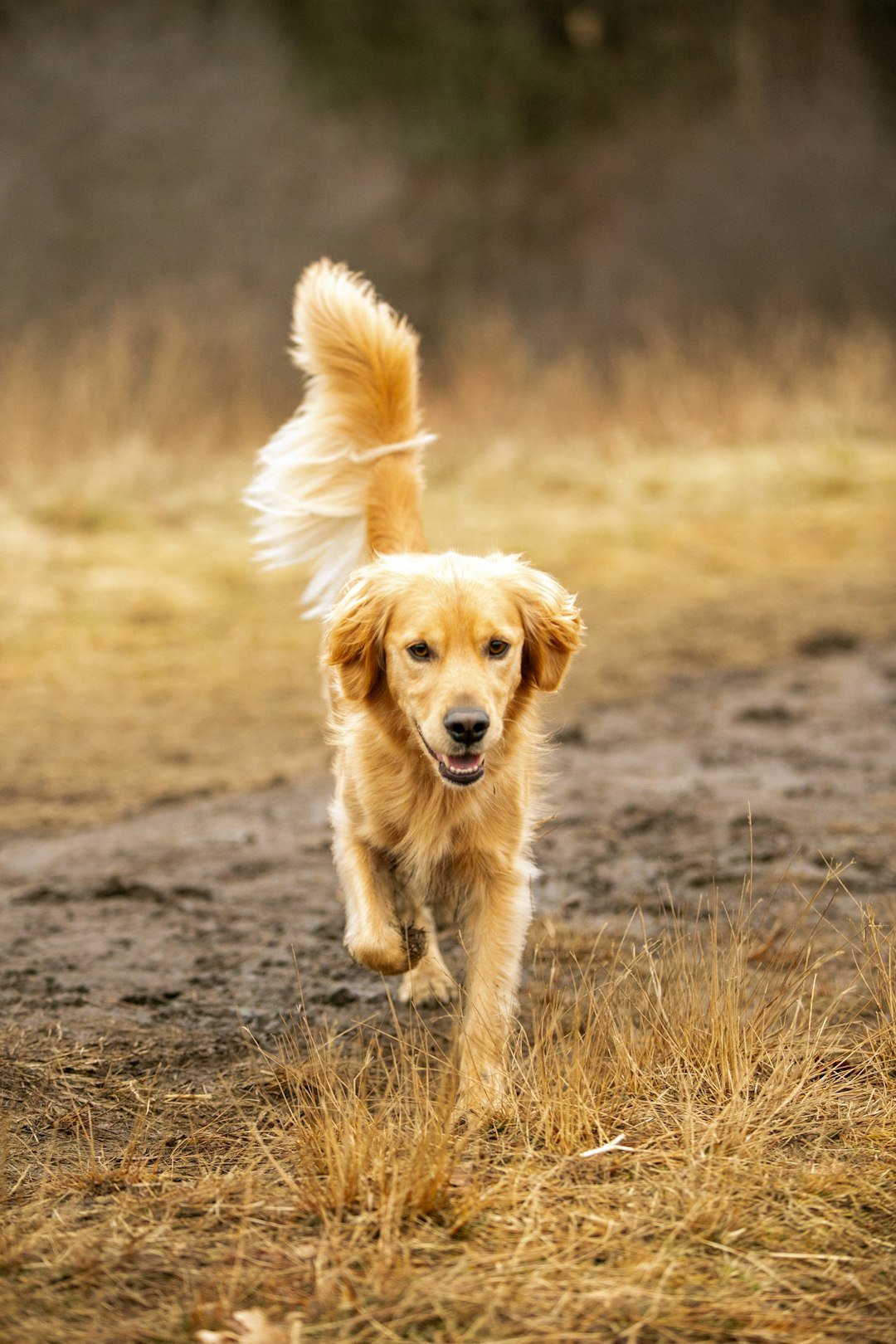
Field Golden Retriever coat
Field-bred Goldens are often leaner and more lightly coated.
You may see less feathering, less overall volume and a coat that looks more practical than glamorous.
That does not mean the dog has a poor coat.
It means the breeding priorities may have emphasized working function rather than show-ring presentation.
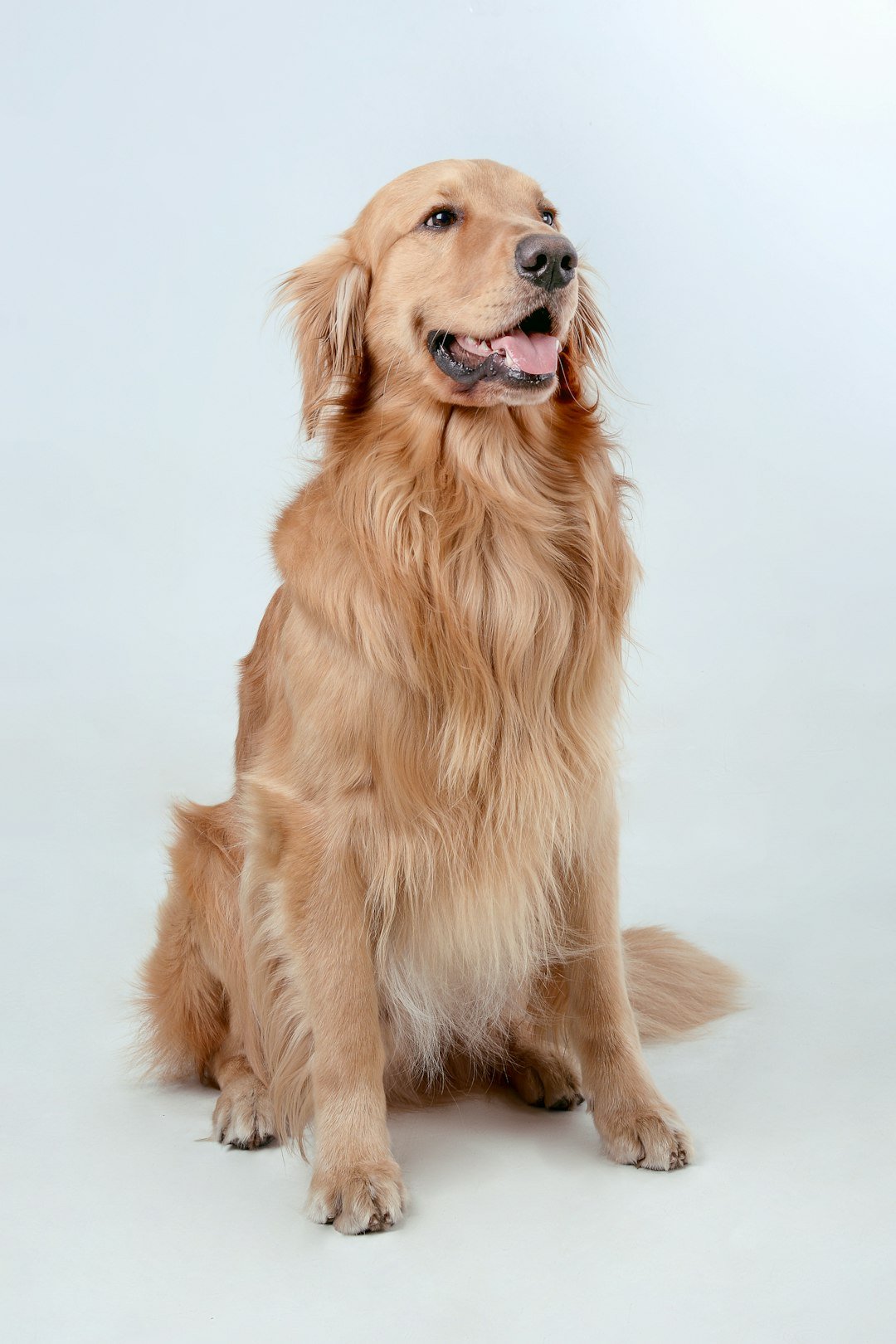
Show Golden Retriever coat
Show-line Goldens often have more substance and more coat.
Feathering can be heavier around the chest, tail and legs, and the overall outline can look fuller.
Again, there is individual variation within every line.
Do male Golden Retrievers have more coat than females?
Often, yes.
Adult males can develop more neck and chest coat than females, especially if intact.
But sex does not override genetics.
A lightly coated male from a field line may still have much less coat than a heavily coated female from a show line.
When does a Golden Retriever get its adult coat?
Puppies start with a softer puppy coat.
Adult coat and feathering develop gradually rather than appearing all at once.
Many owners notice obvious changes through the first year and beyond, with the coat continuing to mature into young adulthood.
So a ten-month-old Golden that looks relatively sleek may not be showing its final coat yet.
Can coat type predict temperament?
No.
A fluffy dog is not automatically calmer. A sleek dog is not automatically higher drive.
Coat can sometimes correlate loosely with breeding line because show and field programs have different priorities, but the hair itself is not causing the behavior.
Look at the actual pedigree and relatives, not the feathering.
Does a heavier coat mean more shedding?
Not necessarily in a simple one-to-one way, but all Golden Retrievers shed.
A dog with more coat may produce a more dramatic amount of visible hair, but shedding depends on the entire coat cycle, season, health and individual dog.
Our guide to Golden Retriever shedding covers that separately.
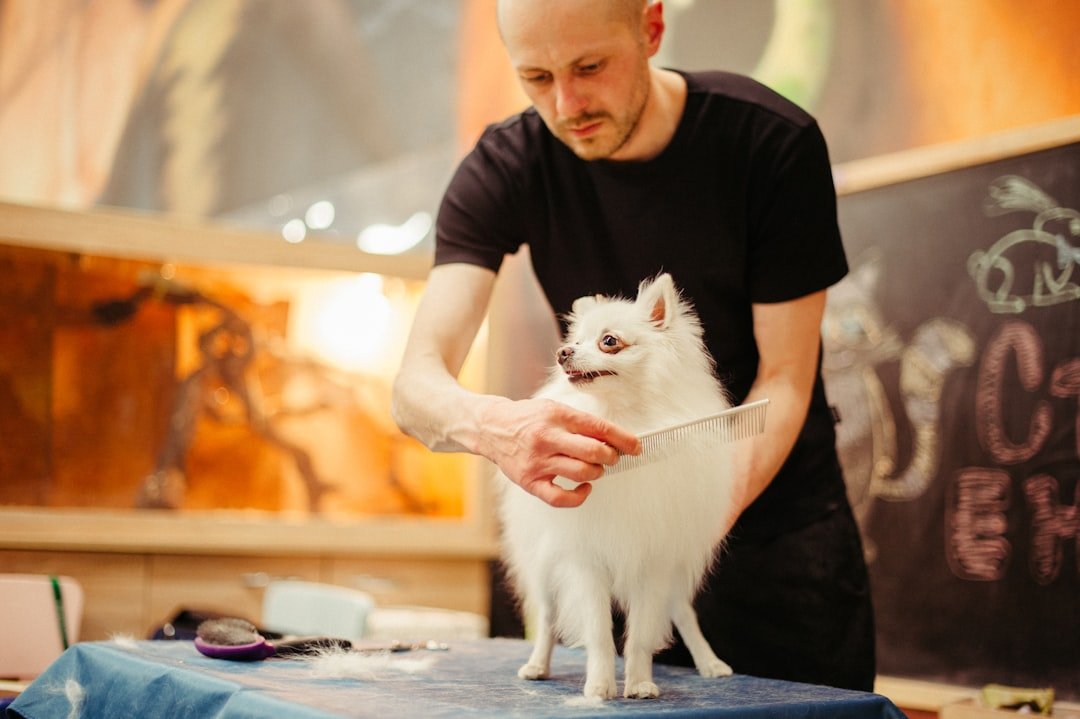
Can you change a Golden Retriever’s coat with grooming?
You can improve condition and manage loose coat.
You cannot groom a field-line Golden into having the genetics of a heavily coated show dog.
Likewise, cutting a heavy coat does not change the underlying coat type.
Our Golden Retriever grooming guide covers practical coat care.
Does diet affect coat quality?
Overall health and nutrition absolutely influence skin and coat condition.
A complete and balanced diet that meets the dog’s needs supports normal coat quality.
But food cannot turn genetically light feathering into a dramatically heavier coat.
When should coat changes worry you?
Gradual development and seasonal shedding are normal.
Sudden thinning, bald patches, intense itching, skin inflammation, strong odor or a major change in coat quality deserves investigation.
Those signs can reflect skin disease, parasites, allergies, hormonal issues or other medical problems.
Related coat guides: Compare coat and build differences in field vs show Golden Retrievers, see how much Golden Retrievers shed, and use our Golden Retriever grooming guide for practical coat care.
Useful external reading: The AKC guide to double-coated dogs explains the two-layer coat structure and why coat maintenance matters. For Golden-specific grooming detail, the AKC Golden Retriever grooming guide is also useful.
The bottom line
Golden Retriever coats vary because Golden Retrievers vary.
Field and show lines often look different. Males and females can differ. Puppies do not yet have their adult coat. Genetics have a huge influence on feathering and density.
Do not use coat volume as a shortcut for quality, temperament or health.
It is just one visible part of the dog.