
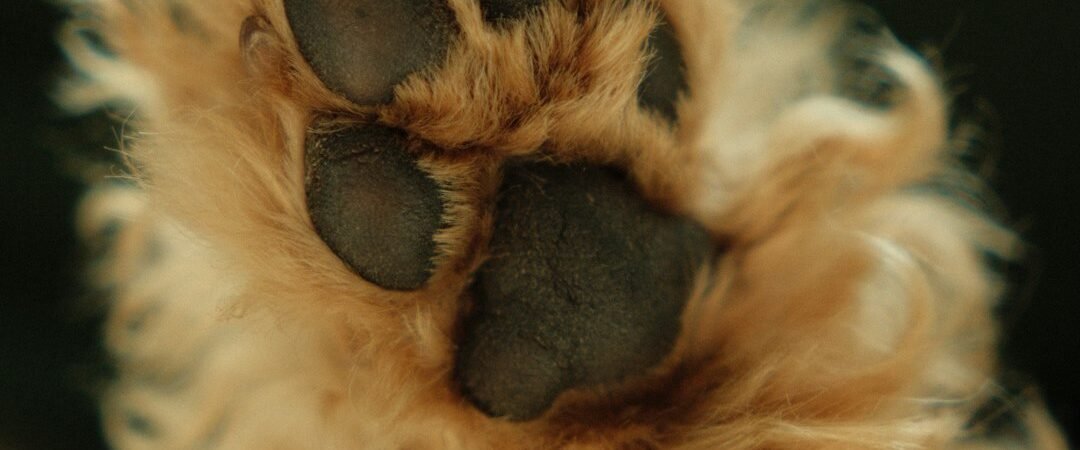
Cutting a Golden Retriever’s claws does not need to be an all-or-nothing wrestling match.
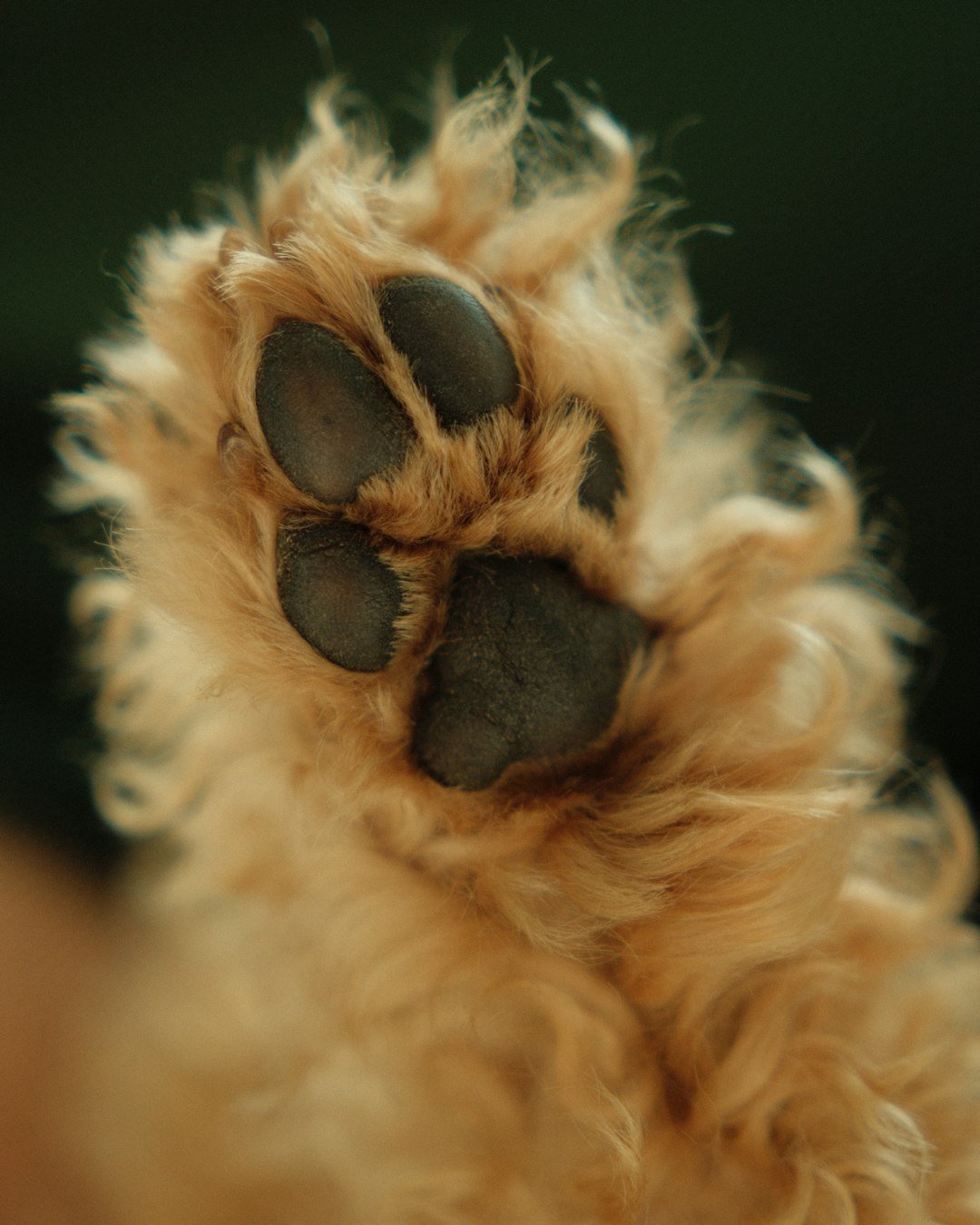
In fact, one of the biggest changes I would make to the way people approach nail care is this: stop believing you have to finish every claw in one sitting. One calm, successful claw is more useful than forcing your way through four paws while your dog becomes increasingly worried.
The aim is not just shorter claws today. I want a dog who can comfortably have their paws handled for the rest of their life.
How often should you cut a Golden Retriever’s claws?
There isn’t one schedule that works for every Golden. How quickly claws wear depends on the individual dog, their surfaces, activity, gait and how their nails grow.
Instead of clipping automatically every X weeks, look at your dog’s paws regularly and learn what normal looks like for them. Some dogs naturally wear more nail down than others.
A good pair of dog claw clippers is worth keeping in your grooming kit so you can take off small amounts when needed rather than waiting until the claws are very long.
Start with paw handling, not the clippers
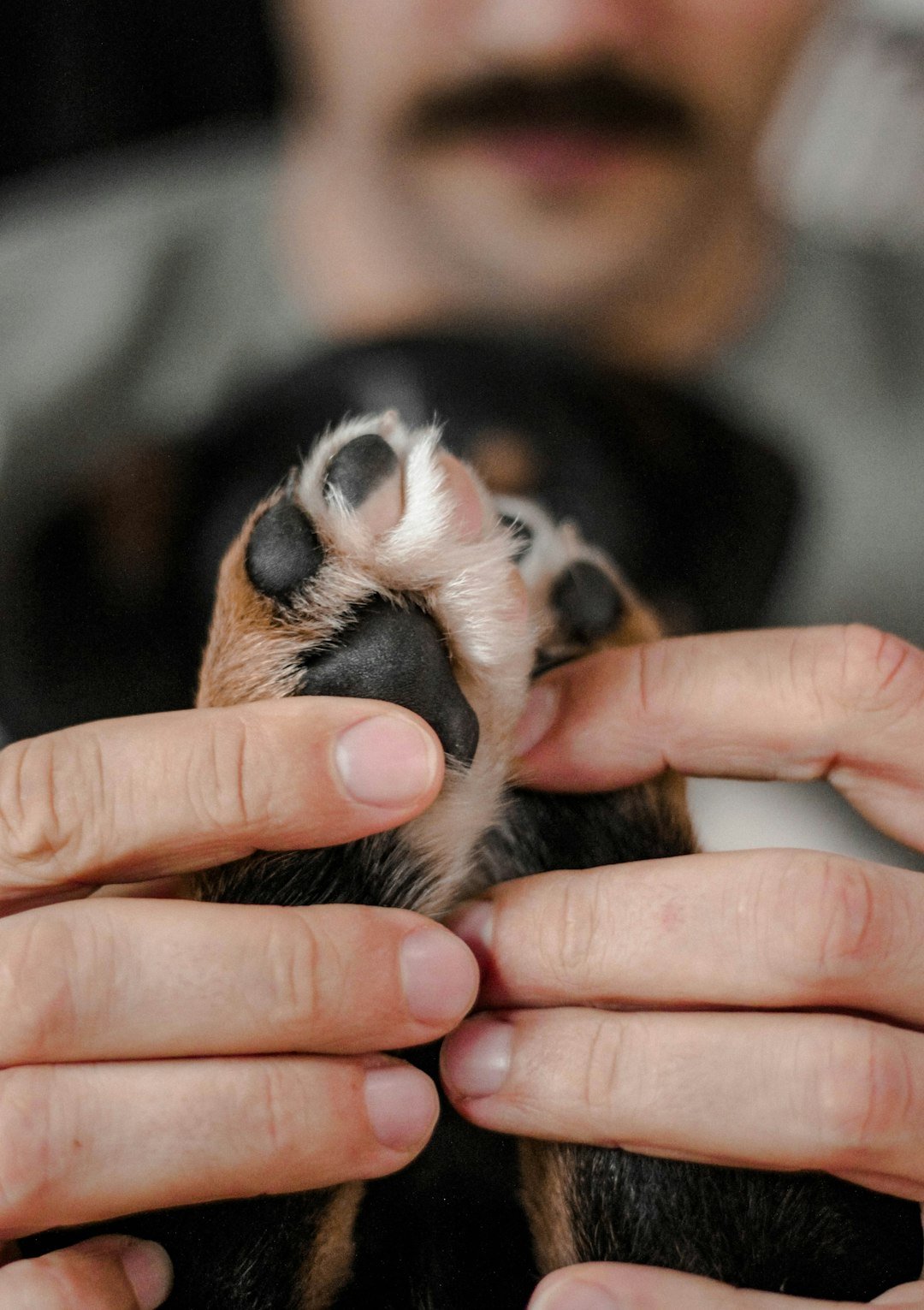
If your Golden is uncomfortable having their feet touched, introducing a cutting tool at the same time is asking a lot.
I desensitise paw handling separately. Briefly touch and hold a paw, reward, and release. Build from there according to what the dog is comfortable with. You can handle toes, gently separate them and practise the sort of positions you will eventually need for clipping without actually cutting anything.
This is useful far beyond nail trims. Dogs may need their paws examined after an injury, handled by a vet or checked for grass seeds, cuts and other problems. Comfortable paw handling is a life skill.
Desensitise your Golden to the claw clippers
The clippers themselves can be introduced before they ever touch a claw.
Let the dog see them. Handle the paw while the clippers are nearby. Touch the closed clippers gently to the paw or claw and reward. Practise the movement without cutting.
You are making the whole process predictable rather than suddenly grabbing a foot and producing a strange metal tool.
Keep sessions tiny. You do not need to progress every time. If today’s session is simply comfortable paw handling, that still counts.
How I hold the clippers
Clipper orientation matters because you want a clean cut rather than unnecessarily squeezing the nail.
I think about cutting from the top of the toe toward the pad, with the clippers held perpendicular to the paw and roughly parallel with the floor — similar to the natural orientation you would use holding nail scissors to your own fingernail.
A visual is particularly useful here, because descriptions of nail-clipper angles become confusing remarkably quickly. Whatever tool you use, follow its manufacturer’s instructions and take small amounts rather than trying to remove a large section at once.
What is the quick?
Inside a dog’s claw is living tissue containing blood vessels and nerves, commonly called the quick. Cutting into it hurts and causes bleeding.
On light claws it may be easier to see where the living tissue begins. Dark claws are more difficult, which is another reason I prefer small, conservative cuts rather than trying to achieve the shortest possible nail in one go.
If you are not confident about where to cut, have your vet, veterinary nurse/technician or a competent groomer show you on your own dog. There is no prize for guessing.
You don’t have to finish all four paws
This is the bit I wish more people would take seriously.
If your Golden is coping well and you clip one claw successfully, you are allowed to stop.
If they comfortably manage one paw, reward them and finish there. I often reward after each paw, but the dog’s comfort decides how far the session goes.
Finish before panic happens. That might mean twenty claws for a dog who is completely relaxed about nail care. For another dog, it might genuinely mean one claw.
Repeatedly ending while the dog is still coping gives you a much better foundation for the next session than pushing until they finally fight to get away.
What if my Golden Retriever hates having their claws cut?
Don’t respond by holding them more tightly.
Go back to the component they are struggling with. Can they comfortably have the paw touched? Held? Can you touch individual toes? Are they worried by the sight or sound of the clippers? Does the concern begin only when pressure is applied to a claw?
Breaking the task down lets you work on the actual problem instead of repeatedly rehearsing the whole frightening sequence.
For a dog who is already very fearful, painful or escalating toward biting, get appropriate professional help. Pain can also make previously tolerated paw handling suddenly difficult, so a new change in behaviour around the feet deserves attention.
Your Golden’s claws can tell you something about their movement
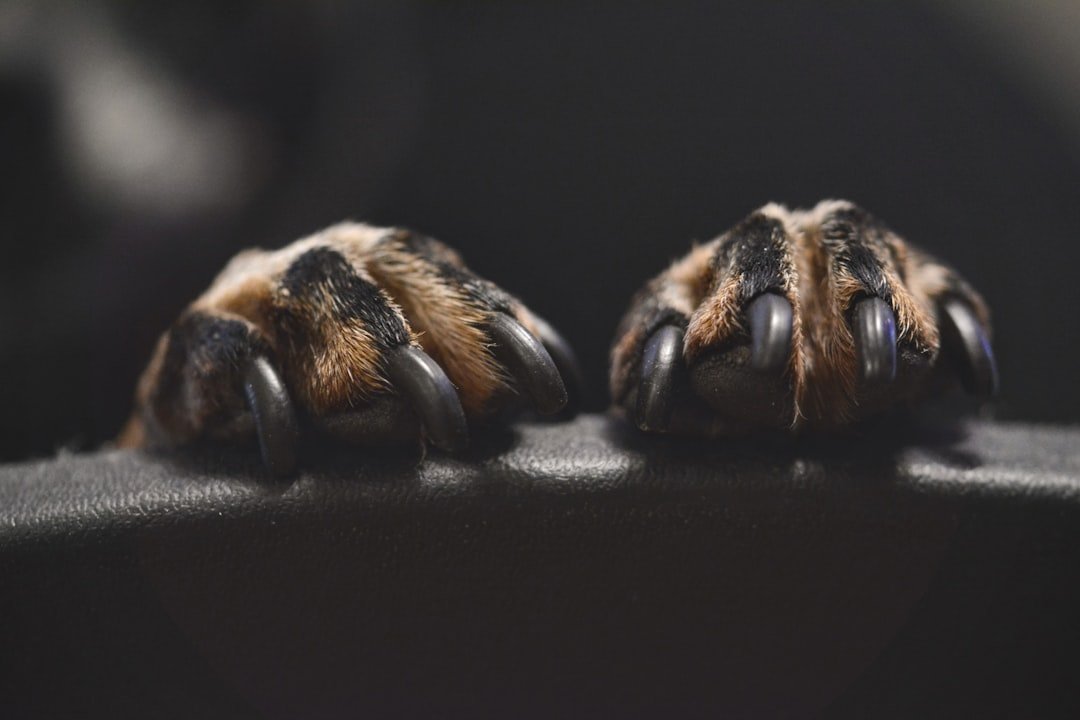
Don’t only look at claw length. Look at how the claws wear.
Ideally, wear should make sense across the dog’s paws: compare front and back, left and right, and the claws across each individual paw. What matters particularly is learning your dog’s established pattern.
A dog whose claws have always worn somewhat unevenly but continue doing so consistently may have a longstanding gait or conformational pattern worth keeping an eye on. Consistency gives you information.
A new change is more concerning. If one side, one paw or particular claws suddenly begin wearing differently, the dog may be changing how they load that limb or compensating for discomfort elsewhere. That is something I would take to a vet rather than simply trimming the evidence away.
Taking occasional photographs of the paws can be useful because it gives you something more reliable than memory to compare with later.
Don’t forget the dewclaws
Claws that do not contact the ground will not wear in the same way as weight-bearing nails. Check them rather than assuming normal walking will keep every nail short.
Long or curling claws can become uncomfortable and, if neglected badly enough, can cause injury. Regular little checks are much easier than dealing with a nail that has been allowed to become a problem.
What if you accidentally cut the quick?
Stay calm. A quicked nail can bleed impressively, but panicking will not help your dog.
Apply appropriate first-aid pressure and use a veterinary-recommended styptic product if you keep one for nail care. Persistent bleeding, significant injury or anything you are unsure about warrants veterinary advice.
More importantly, don’t turn the accident into a reason to immediately restrain the dog and finish every other claw. Your dog has just experienced something painful. Deal with the injury and rebuild confidence later.
Claw care is training
Nail clipping is often treated as grooming first and behaviour second. I see it the other way around.
The mechanical part of taking a tiny piece off a claw is quick. The skill is teaching your Golden that paw handling and the clippers are safe, predictable and something they can cope with.
Desensitise the handling. Desensitise the tool. Reward generously. Stop before your dog needs to panic.
And if today you only clipped one claw? Great. There is always tomorrow.